
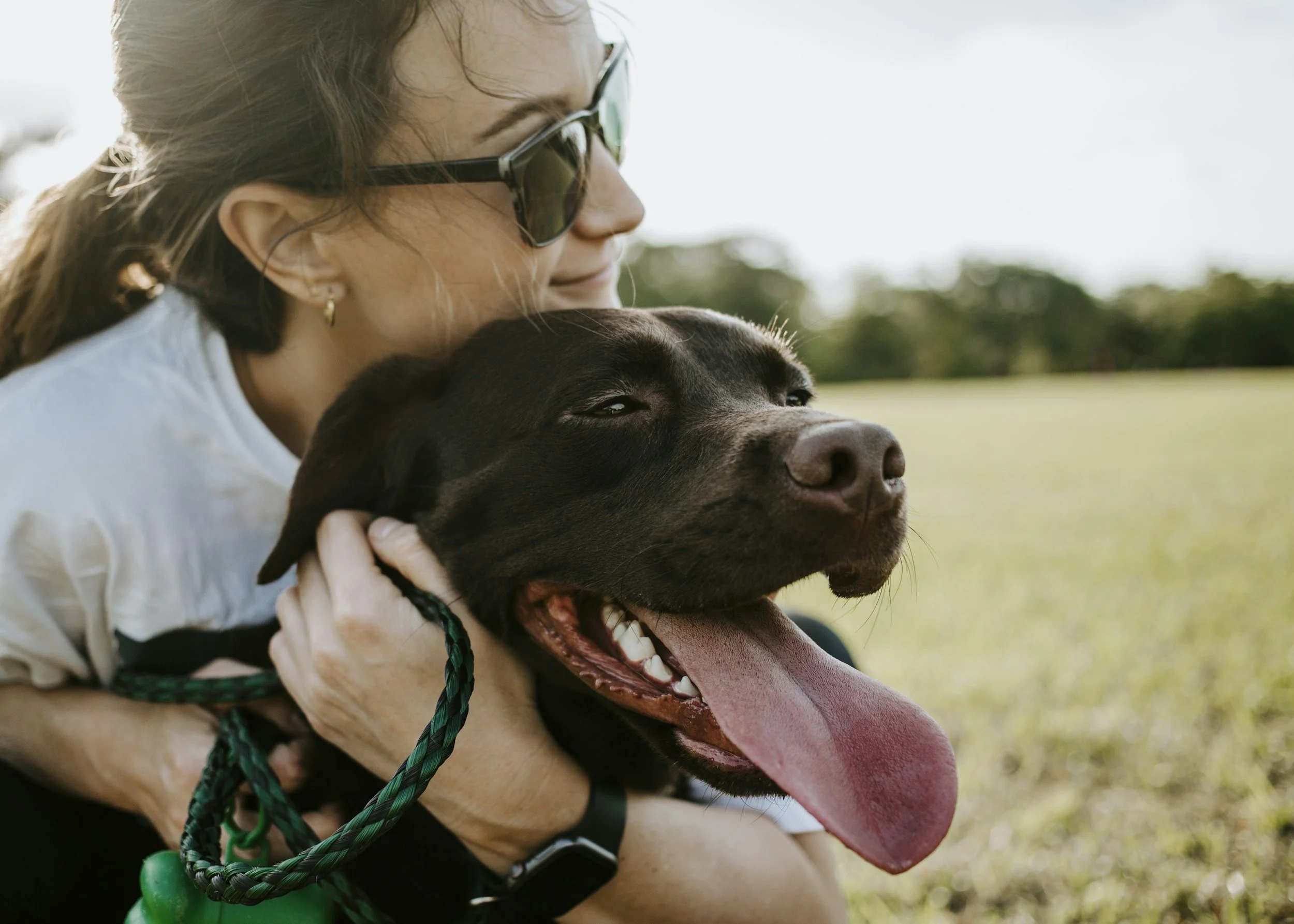
You love your dog.
You feed them, walk them, and keep them safe. You probably spend more time with them than most humans. And yet, even with all you do, you sometimes wonder: Am I truly meeting their needs? Am I doing right by them? How can we have a deeper, more connected relationship?
Our companion animals play a central role in our lives. Unlike many human relationships, where both parties juggle obligations, distractions, and competing priorities, our dogs are intimately attuned to the movement of our daily lives. They notice when we’re happy or sad, busy or calm. They sense changes in tone, posture, and energy. They pay attention.
So how can we nurture one of the most important relationships of our life?
Strong relationships — human or canine — rest on certain core principles. And relationships are always a two-way street: both parties participate in creating connection. Your dog is already participating. The question is: how can you join them more intentionally?
In this post, we’ll explore the following core principles that shape strong, lasting bonds between humans and dogs:
Safety & Trust – A sense of security that supports connection and growth.
Honoring Autonomy – Recognition and respect of individual boundaries, choices, and unique preferences.
Responsiveness – Noticing and thoughtfully responding to needs to promote balance and comfort.
Emotional Attunement – Awareness of feelings and energy, fostering understanding and resonance.
Repair – The process of restoring connection after missteps or miscommunications.
Shared Purpose – Activities, routines, or goals that give direction, structure, and meaning to the partnership.
Appreciation – Celebrating the qualities, contributions, and ways your dog enriches your life.
Fun & Play – Moments of joy, spontaneity, and shared delight that strengthen connection and invite presence.
Chances are, you’re already putting many of these principles into practice. Naming them gives clarity and lets you approach your relationship with greater intention.
In this post, we’ll explore what each principle looks like in a human–dog partnership and share practical steps you can take to nurture your bond day by day.
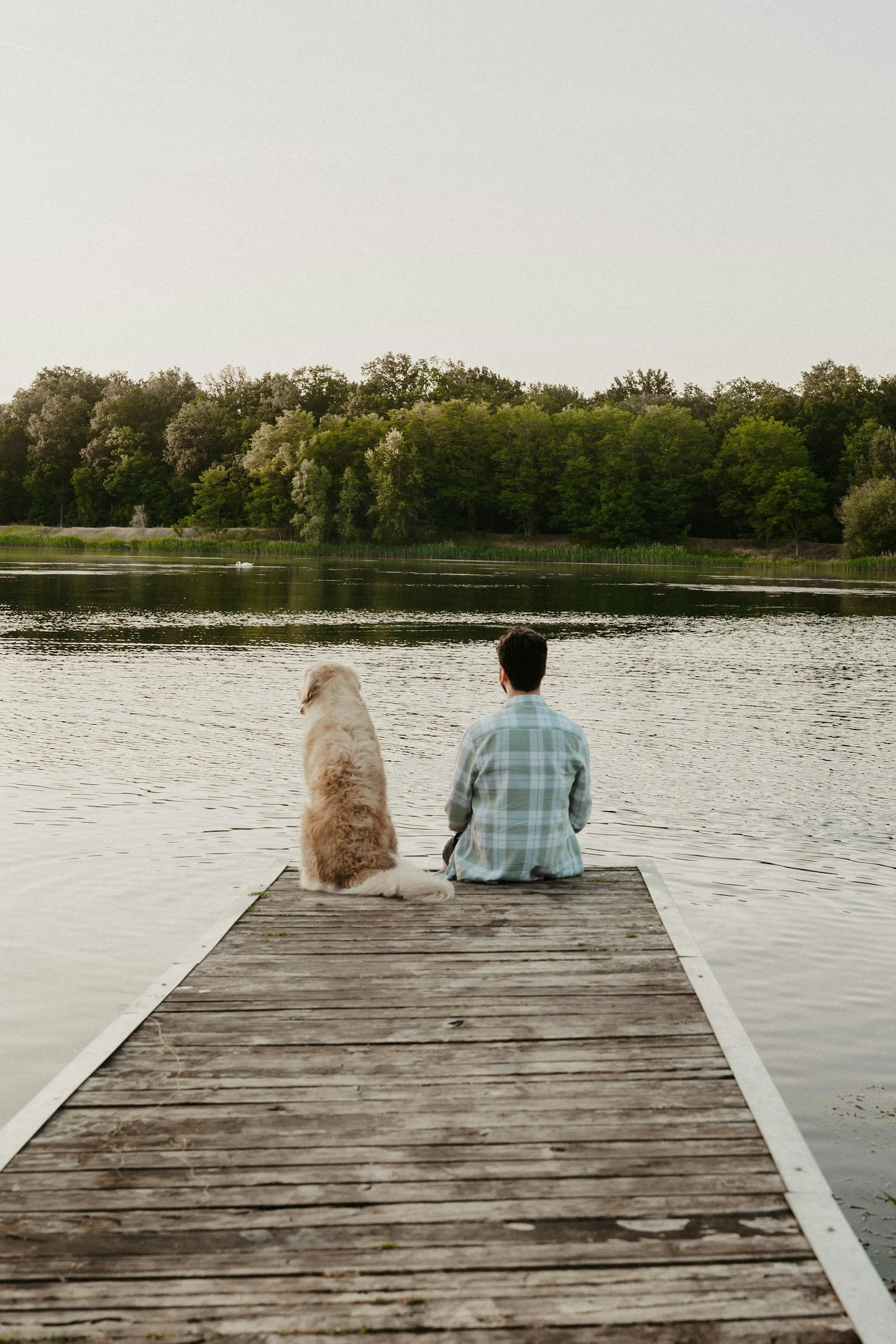
Safety and Trust
Safety and trust form the foundation of your relationship with your dog, just as they do in any healthy partnership. When a dog feels unsafe, their system shifts toward self-protection. Guardedness replaces openness, and connection becomes secondary to survival.
Safety includes both physical and emotional security. It involves creating an environment where boundaries are met with respect, communication remains clear, and daily life holds a degree of predictability. In that kind of environment, expression becomes possible. Your dog can explore, rest, and engage without bracing for harm. As their nervous system settles, their behavior reflects greater ease, making connection more accessible.
Without a felt sense of safety, trust struggles to take root. Safety creates the conditions for trust to form; it answers the question, “Am I okay right now?” Trust develops through repeated experiences of safety and answers a different question: “Will I continue to be okay with you?” Together, they create a relational loop. Consistent safety builds trust, and trust allows a dog to relax more fully into safety.
If you’ve ever brought a new animal home, you’ve likely witnessed how essential this foundation can be. When one of my dogs transitioned from a quiet rural environment to a busy city, the shift overwhelmed her system. She chewed irreplaceable baseboards in our Victorian home and cried continuously on walks, startled by unfamiliar sounds and activity. Those behaviors reflected her sense of overwhelm and uncertainty.
Over time, through consistency, predictable routines, and patient reassurance, her nervous system recalibrated. She learned that although the environment felt more stimulating, she was still safe. As safety solidified, trust followed. With trust in place, adjustment became possible.
A Few Ways to Strengthen Safety & Trust For Your Dog
Honor “no” signals and let them approach new people or experiences at their own pace.
Use consistent cues, routines, and follow-through to reduce uncertainty.
Choose steady, measured responses instead of unpredictable reactions. Your nervous system influences theirs.
Refrain from punishment-based responses that create confusion or anxiety. Safety grows in environments free from intimidation.
Create a designated safe retreat space where your dog can rest undisturbed, and offer reassurance during loud, overwhelming, or stimulating events.
Practice gentle, respectful handling during grooming, nail trims, and medical care.
A Practice to Strengthen Safety and Trust
This exercise helps reinforce safety and trust in new or stimulating environments by taking your dog on a walk where they can safely explore their surroundings.
Step 1: Slow the Pace
Start a short walk at a relaxed, steady pace. Allow your dog to lead if they wish, giving them the freedom to explore at their comfort level.
Step 2: Offer Choice Points
Let your dog decide the route, smells to investigate, or areas to sniff. Pause frequently to check their comfort level.
Step 3: Observe Cues
Pay attention to body language: turning away, stiffening, low tail, or hesitation. Slow down, redirect gently, or give space as needed.
Step 4: Respond Calmly to Surprises
If another person, dog, or unexpected stimulus appears, ground your own energy first. Stay calm, breathe, and maintain a composed presence. Your non-reactive, steady energy signals to your dog that the situation is safe. Offer gentle reassurance without forcing interaction.
Step 5: End on a Positive Note
Finish the walk with a favorite treat, play session, or belly rubs. Reinforcing the experience as positive strengthens their sense of safety and builds trust.
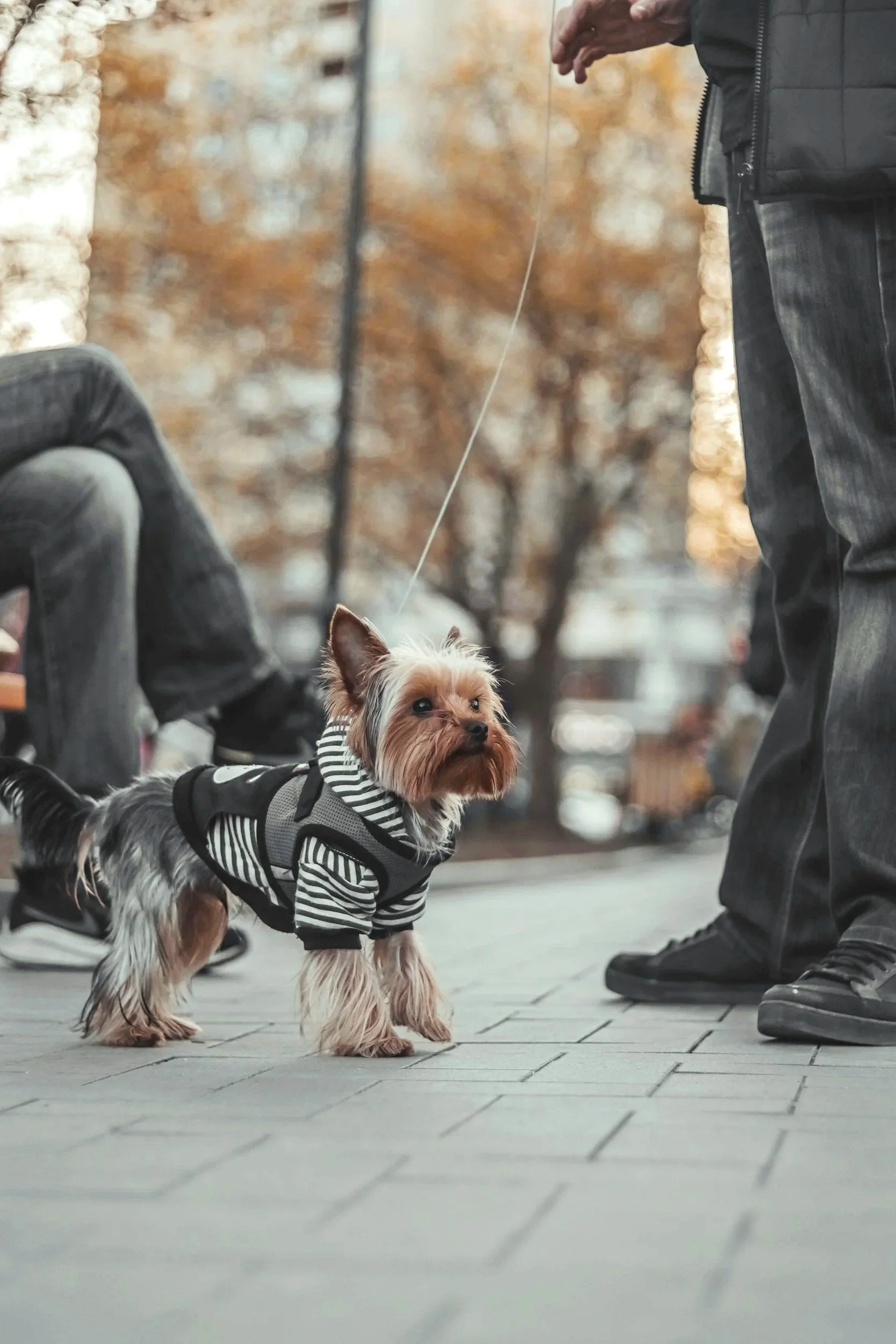
Honoring Autonomy
Dogs exist as independent, sentient beings, each with a personality shaped by their experiences, desires, and preferences. What excites one dog may overwhelm another; what comforts one may frustrate another. Respecting autonomy means noticing these differences, avoiding assumptions based on human expectations, and honoring a dog’s ability to make choices for themselves.
This principle also recognizes that dogs do not occupy a hierarchical “less than” status compared with humans. Animals are distinct beings with their own intelligence, instincts, and ways of experiencing the world. They are capable of independent thought, decision-making, and self-expression. Honoring their autonomy means recognizing that it is not our right to impose our needs or expectations onto them.
In everyday life, honoring autonomy can look like respecting a dog’s choices—deciding when and where to explore on a walk, selecting a toy or activity, initiating or declining affection, or signaling when they need space. It also means observing their feedback and adjusting your own actions, energy, and expectations rather than imposing a predetermined agenda.
At its core, honoring autonomy creates a partnership rooted in respect. Recognizing a dog’s individuality enriches the relationship, allows them to express themselves within safe boundaries, and strengthens trust, connection, confidence, and overall well-being.
A Few Ways to Honor Your Dog’s Autonomy
Honor their cues by responding appropriately to body language and telepathic signals.
Respect their social preferences.
Offer choices between toys, activities, or treats.
Let them decide when to interact versus when to rest.
Allow them to lead games, walks, or training sessions at their own pace.
Respect their timing for transitions, like coming inside, getting into the car, or starting a walk.
Adapt routines to align with their comfort and energy levels.
A Practice to Honor Your Dog’s Autonomy
This exercise helps to strengthen your dog’s sense of agency by offering options in everyday situations.
Step 1: Identify Daily Decision Points
Notice moments in your day where your dog can make small choices. Examples:
Which toy to play with
Where to rest or nap
What snack to eat
Which route to take on a walk
When to initiate interaction or affection
Step 2: Offer Options
Give 2–3 clear, safe choices whenever possible. For example:
“Here are three toys. Which one do you want to play with?”
“Do you want to go left or right on our walk?”
Step 3: Observe Their Response
Watch their body language and use animal communication to see their choice. Give them space and time to decide without pressure.
Step 4: Follow Their Lead
Honor the choice fully. Adjust your actions, even if the result surprises you.
Step 5: Reflect and Reinforce
Acknowledge their decision afterward:
“I love that you chose your ball for playtime.”
“I noticed you explored that path today. That was a great choice.”
Step 6: Repeat in Different Contexts
Incorporate choice opportunities during walks, meals, play, grooming, or quiet moments. Over time, your dog learns that their preferences matter, which builds confidence, trust, and deeper connection.
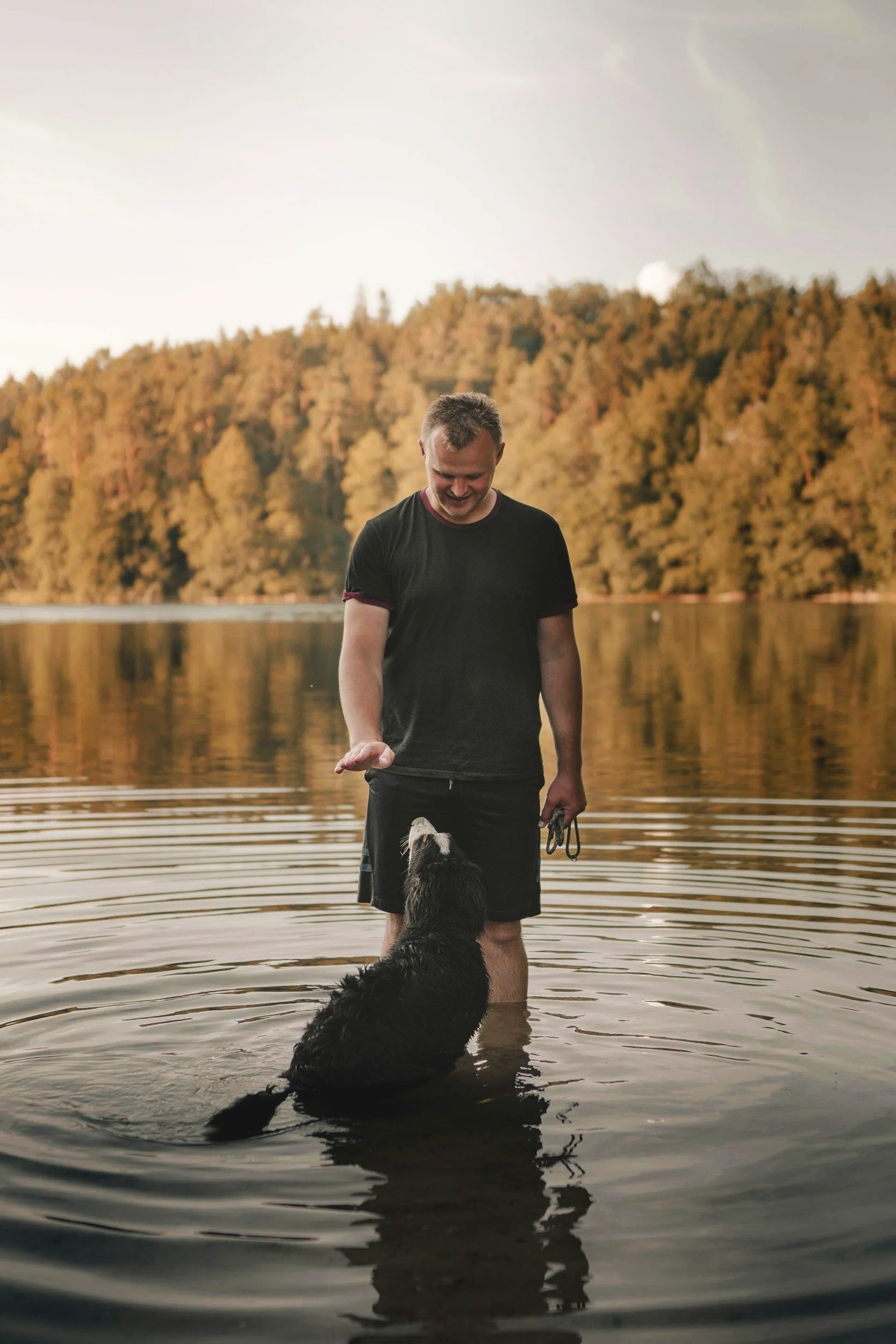
Responsiveness
Caring pet parents respond to their animal’s needs regularly, so chances are, you’re already practicing responsiveness. Naming it and practicing it with intention can help you deepen trust, comfort, and connection with your dog.
Responsiveness means noticing when your dog has a need — emotional, physical, or environmental — and responding in a way that restores alignment, comfort, and well-being.
For example, you walk by your dog’s water bowl and notice it’s running low, so you stop to refill it. You see your dog scratching or itching, so you take the time to give them a bath. Observing needs and responding with simple acts of care strengthens your relationship and communicates that you are there for them. Responsiveness helps promote comfort, safety, and security.
You don’t have to guess at what your dog needs. Just as you might check in with a friend or family member, you can ask your dog directly using animal communication. For those unfamiliar, animal communication is an intuitive, telepathic process of connecting with an animal’s thoughts, emotions, and perspective. It helps you avoid assumptions and understand your dog’s unique experience. Through animal communication, you can ask what they need and remain open to receiving their response — whether it comes as a sense, image, feeling, or simple “yes” or “no.”
A Few Ways to Practice Responsiveness With Your Dog
Check their environment and notice what might affect comfort, like water and food levels, bedding, temperature, or safe spaces, then adjust as needed
Observe behavioral cues and respond accordingly; for example, if your dog whines at the door, they might need to go outside, or if they paw at their food bowl, they could be hungry
Attend to physical care through grooming, massaging, or taking them on walks
Offer emotional support when your dog seems anxious, upset, or unsettled by providing calm presence, soothing touch, or reassurance
Use animal communication to clarify needs or check in on their well-being
A Practice to Strengthen Responsiveness
This exercise helps build responsiveness while also practicing animal communication. It can be done in just a few minutes each day, turning responsiveness into an intentional habit.
Step 1: Spot the Need
Notice small things your dog might need throughout the day — refilling water or food, retrieving a toy from under the couch, offering a comfy spot, or giving a gentle belly rub.
Step 2: Ask for Confirmation
Say to your dog, “I noticed [need]. Is that correct?” and listen for a telepathic “yes” or “no.”
Step 3: Offer a Plan
Say, “I’m planning to [how you’ll respond]. Would that be helpful, or do you have a different suggestion?”
Step 4: Respond
Follow through, adjusting as needed if your dog suggests a change.
Step 5: Reflect Together
Check in afterward to ensure your response met their need. Even a brief moment of acknowledgment strengthens connection.
Example
You notice your dog standing by the front door. You ask, “I noticed you standing by the door and I’m thinking you’d like me to take you on a walk. Did I get that right?” You receive a telepathic “yes.”
You continue, “I’m going to wrap up what I’m working on so I can take you on a walk in about 15 minutes. Does that sound good?” Your dog signals yes, though it’s clear they’d like to go sooner. You are able to finish up in about 10 minutes and then head out together, noticing their tail wagging and the joyful energy as you walk side by side.
Afterward, you check in: “Did that walk feel good for you?” Another “yes” confirms that your responsiveness strengthened your bond and met your dog’s need.
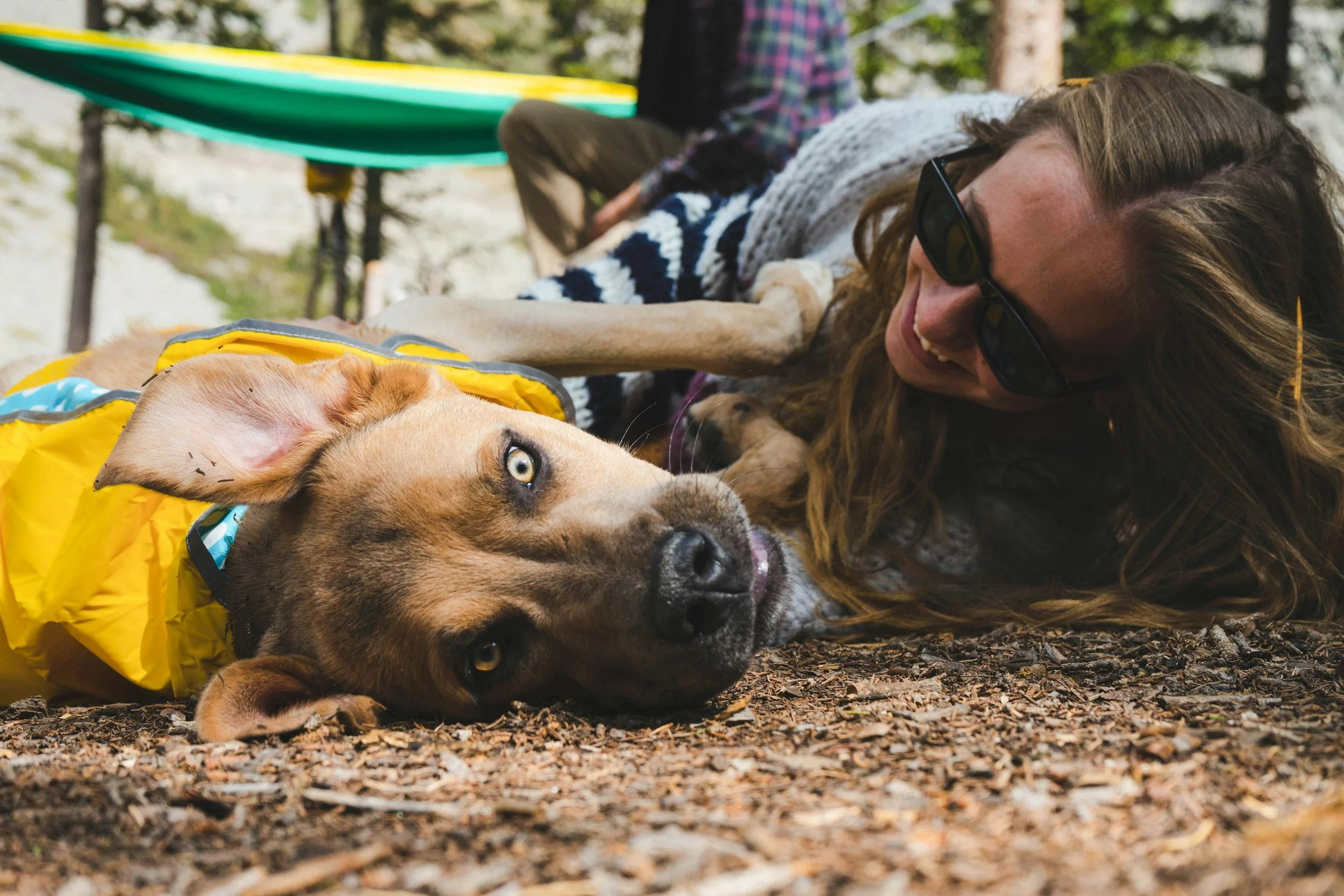
Emotional Attunement
Emotional attunement is the ability to notice and respond to another being’s internal state with care, presence, and curiosity.
Dogs often respond to our emotions. You might notice your dog approaching when you feel sad, nudging you to break your focus when you’ve been absorbed in a stressful task, or wagging their tail when you feel excited. These behaviors show their awareness of your emotional state and their desire to show up for you. When you notice their efforts to comfort you and allow yourself to receive their support, you create a shared resonance of emotional attunement.
Attunement works both ways. Just as your dog responds to your emotions, you can respond intentionally to theirs. Being emotionally attuned means staying open to their signals and responding with awareness. For example:
During a thunderstorm, you notice your dog tensing. You wrap them in a warm blanket, offer gentle pets, and speak in a calm voice.
On a quiet afternoon, your dog seems bored. You initiate play or a training session to engage them.
While on a walk, your dog stiffens, tail erect, alert to a nearby stimulus. You pause, giving them a moment to assess before continuing.
In each example, you notice their emotional state and respond with care—just as your dog responds to yours.
Just as with every other principle, you can talk to your dog using animal communication to check in with how they are feeling and avoid making assumptions.
A Few Ways to Practice Emotional Attunement With Your Dog
Observe body language, posture, ear placement, and tail movement.
Notice shifts in energy or mood.
Remain emotionally present during walks, play, or quiet time.
Use animal communication to check in on their feelings.
Respond intentionally to their emotions.
A Practice to Strengthen Emotional Attunement
This exercise promotes awareness of your dog’s emotional state so that you can respond in a caring way.
Step 1: Observation Practice
Sit quietly and focus fully on your dog, without multitasking, for about 5-10 minutes. Notice:
Movements and posture
Tail, ears, and facial expressions
Energy level and shifts in mood
Small gestures, like nudges, glances, or sounds
Focus on simply noticing without interpreting. Let curiosity guide you.
Step 2: Name Their Signals
Either mentally or out loud, verbalize to your animal what you see:
“I see you’re alert.”
“You seem curious about that sound.”
Naming signals keeps you present, reinforces awareness, and communicates recognition to your dog.
Step 3: Check In Using Animal Communication
Take a moment to ask your dog how they feel about something you noticed:
“I noticed you got excited when someone pulled the bag of cheese from the fridge. Did I get that right?”
Listen quietly for a response. It might come as a sense, image, feeling, or simple “yes” or “no.”
Attunement begins with curiosity. The more you notice, respond, and reflect, the stronger your bond becomes, and the more your dog learns that you truly see and understand them.

Repair
Repair transforms inevitable moments of disconnection into deeper trust.
Just as we take ownership for our actions and make amends in human relationships, we can do the same with our dogs. Repair restores safety and trust after a rupture, helping prevent small misunderstandings from growing into larger issues.
For example, my smaller dog loves to spend time around my feet. I love that she follows me, but occasionally, while focused on a task—like loading the dishwasher or carrying laundry—I accidentally step on or trip over her. When this happens, I apologize and explain that I didn’t mean to cause harm. I describe why I stumbled and suggest ways to prevent it in the future: I ask her to give me space during certain tasks while I work on staying aware of her presence.
Perhaps you’ve experienced some of these small moments that provide chances to restore connection:
Missed Greeting: Your dog excitedly greets you, but you’re distracted by your phone or groceries, leaving them feeling ignored.
Neglected Playtime: Your dog nudges you to play while you focus on a task, leaving them feeling rejected.
Skipped Snack: You forget to give your dog their usual bedtime treat, leaving them feeling disappointed.
Rushed Walk: You cut a walk short because you’re in a hurry, leaving them feeling frustrated or unfulfilled.
Each of these moments provides an opportunity to acknowledge the misstep, repair the relationship, and rebuild trust. Life is full of small missteps, and repair helps both you and your dog practice grace, patience, and mutual understanding.
Here’s how you might respond in these everyday scenarios:
Missed Greeting: “I’m sorry I was distracted when you greeted me. I know it made you feel overlooked. Let’s enjoy a few quiet moments together.”
Neglected Playtime: “I’m sorry I didn’t play when you nudged me. I imagine it made you feel ignored. Let’s take a few minutes to play now.”
Skipped Snack: “I’m sorry I forgot your treat before bed yesterday. You love your bedtime snacks, so I’m sure it disappointed you. Here’s a morning snack to make up for it.”
Rushed Walk: “I’m sorry we had to cut the walk short, leaving you wanting more exploration. Let’s take a longer walk tomorrow.”
These examples include both acknowledgment and a small gesture to rebuild connection. Remember, you can adapt them to your dog’s personality and your own circumstances.
Important Note: Repair applies to everyday accidents or misunderstandings. Intentional harm or abuse is never acceptable, and an apology cannot erase serious injury or trauma. Always prioritize your dog’s safety and seek professional help if harm occurs.
A Few Ways to Practice Repair With Your Dog
Use animal communication to ask your dog how they experienced the situation.
Offer a sincere apology for any actions that may have caused discomfort, fear, or frustration.
Acknowledge how the disconnection may have felt from their perspective, being careful not to assume their feelings and confirming with animal communication as much as possible.
Restore calm and a sense of safety through intentional interaction and steady, gentle presence.
Make it up to them with small gestures of care, such as affection, treats, or shared play, to reinforce your connection.
A Practice to Strengthen Repair With Your Dog
This exercise helps you acknowledge missteps, restore connection, and rebuild trust after small ruptures. Set aside a few calm minutes after the situation.
Step 1: Make Space
Stop what you’re doing and give your full attention to your dog. Presence is the foundation of repair.
Step 2: Pause and Reset
Take a deep breath, ground yourself, and invite calm into the space. Notice any tension, frustration, or anxiety in your body, and consciously release it. Your dog will sense your energy, setting the tone for repair.
Step 3: Observe and Acknowledge
Notice your dog’s reaction:
Are they avoiding you or looking uncertain?
Are they seeking reassurance or trying to engage?
Acknowledge what you see, either mentally or verbally:
“I see you felt startled when I stepped too close.”
If you practice animal communication, check in telepathically:
“Am I correct in understanding that it felt scary for you when I stepped too close?”
Step 4: Offer a Clear, Sincere Apology
Communicate that you recognize the impact of your actions. Keep your apology direct, specific, and heartfelt.
Step 5: Set a Mutual Understanding
Where appropriate, communicate intentions for the future:
“Next time I carry laundry, I’ll watch for where you are, and you can move to a safe spot if you want.”
This step reinforces trust, showing that both of you can actively prevent misunderstandings while maintaining a strong connection.
Step 6: Reconnect Intentionally
Invite your dog to engage on their terms:
Sit quietly near them without expectation.
Offer gentle touch or soft words.
Initiate a small, positive activity like a brief walk, play, snuggle, or treat.
Step 7: Make It Up to Them
Offer a tangible gesture of care to show your commitment to repair:
Hold your dog gently and offer affection.
Give a favorite treat or activity.
Repair tells your dog: Our connection matters enough to restore it.

Shared Purpose
Humans orient toward growth. We set goals, pursue projects, build families, change careers, heal wounds, and evolve over time. We move toward what matters: our values, commitments, and the direction we want our lives to take.
Your dog walks that path alongside you. As you shape life together, they participate in that forward momentum. Whenever you and your dog engage in something together, whether structured or simple, you create shared purpose. Shared purpose strengthens connection because you are moving in the same direction.
Sometimes that partnership occurs in formal roles: search and rescue, herding livestock, K9 detection, truffle hunting, therapy work, service work. The roles remain distinct, but the mission aligns. A search and rescue dog tracks a scent while their human coordinates logistics and communicates with a team. Both contribute to locating a missing person. A therapy dog offers physical comfort to a nursing home resident while their human facilitates conversation. Both contribute to companionship and emotional support. Where tasks differ, purpose converges.
Not every dog carries an official title. Many live as beloved companions, yet still contribute in meaningful ways. A dog may sit beside you during overwhelm, regulating your nervous system through presence. They support you in creating structure when chaos threatens to take over. They accompany you through life transitions, providing consistency through change. They bring levity during heartbreak, reminding you that life holds more than pain. Their steady presence supports working towards shared purpose and creating shared meaning in life.
Take, for instance, the household in which parents aim to raise kind, considerate humans. The family dog actively supports that intention. A child reaches too quickly for the dog’s ears. The dog steps back. A parent guides the child to slow down, soften their touch, and notice the dog’s cues. The dog demonstrates boundaries while the parent models respectful interaction. Through this exchange, the child develops gentleness and emotional awareness. The dog and parent collaborate in nurturing empathy.
Or perhaps an introverted person seeks greater engagement with the world, and their dog supports their efforts to get out of the house more often. Morning walks invite contact with neighbors as conversations begin over a leash and a wagging tail. Over time, the coordinated efforts of both human and dog advance the goal of increasing social connectedness.
Across countless households, companion dogs and their people move in shared direction — building stability, encouraging movement, fostering healing, and shaping growth.
A Few Ways to Practice Shared Purpose With Your Dog
Engage in physical activity together, like daily walks, running, or agility exercises.
Practice skills and training as a team to build confidence and collaboration.
Support one another through life transitions or healing from anxiety, loss, or trauma.
Participate in community or social activities that align with your values.
Create joy together through play, exploration, and shared fun.
Build a stable and nurturing home environment where both of you thrive.
A Practice to Strengthen Shared Meaning & Purpose
This exercise helps you identify, clarify, and intentionally strengthen the shared direction in your relationship.
Step 1: Reflect on Your Current Growth Edge
Ask yourself:
What am I currently working toward in my life?
This might involve health, healing, career, relationships, stability, confidence, or community.
Name it clearly.
Step 2: Notice How Your Dog Participates
Consider how your dog already contributes to that direction.
Do they encourage routine?
Provide emotional grounding?
Motivate physical movement?
Offer companionship that stabilizes you?
Step 3: Ask Them Directly
Use animal communication to check in:
“How do you see your role in what we’re building right now?”
Stay open to impressions, feelings, or insights.
You may receive surprising clarity about how they understand the partnership.
Step 4: Clarify a Shared Intention
State your shared purpose out loud. For example:
“We’re building more stability together.”
“We’re working toward stronger health.”
“We’re creating a peaceful home.”
“We’re learning confidence.”
Naming direction strengthens it.
Step 5: Align Daily Actions
Choose one small action that supports that shared direction.
Examples:
Take a longer walk to support health goals
Practice a new trick together to build confidence and skill
Set a consistent quiet time at night to unwind together and reinforce stability
Attend a dog-friendly farmer’s market to foster connection and community
Small, consistent actions reinforce shared meaning.
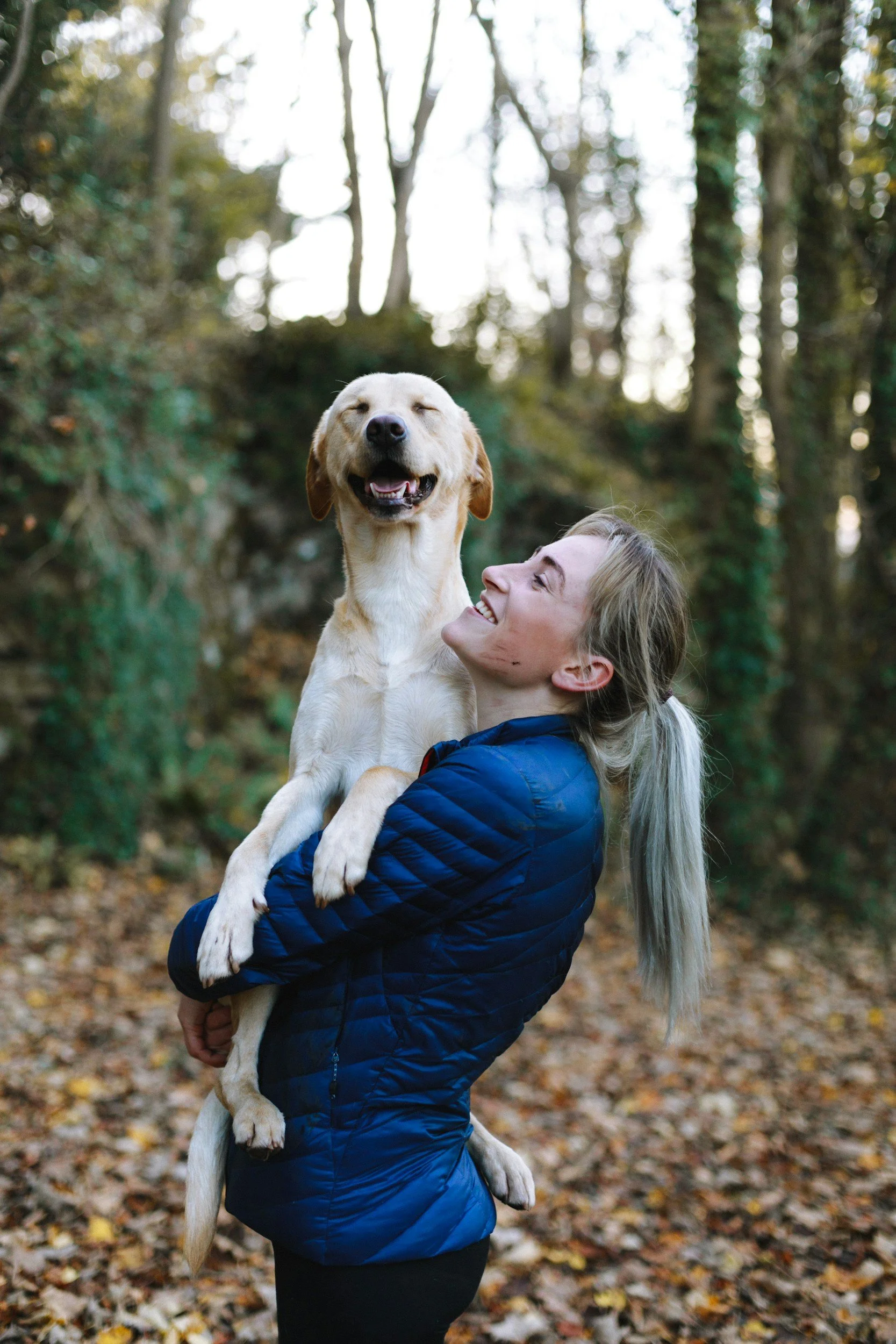
Appreciation
Dogs bring immense richness into our lives. They cuddle up to us on cold mornings, comfort us when we feel low, and wag with excitement during joyful moments. They’re playful companions who turn ordinary routines into shared delight. They notice shifts in our mood, provide comfort without judgment, and remind us to slow down and experience the present. Their loyalty, curiosity, and steady presence can teach patience, mindfulness, and gratitude in ways we often overlook. Even when their behavior challenges us, these experiences present opportunities to learn, adapt, and strengthen the relationship.
When we fail to notice or acknowledge what they contribute, disconnection can grow. Dogs observe our attention, and when their efforts go unrecognized, even unintentionally, distance can emerge. Appreciation, which involves the conscious noticing and valuing of the qualities, efforts, and presence that make your dog unique, helps bridge that gap. Pausing to honor their contributions and expressing gratitude reinforces the partnership, deepens trust, and strengthens emotional connection.
A Few Ways to Appreciate Your Dog
Notice their positive qualities, such as curiosity, playfulness, or loyalty
Celebrate small victories like mastering a new skill or learning a cue.
Speak aloud what you observe and value, for instance, “I love how patient you are while learning new tricks” or “Thank you for sitting calmly during our walk today.”
Offer intentional moments of reflection to recognize the qualities and actions you truly value
Translate your acknowledgment into tangible expressions of gratitude, like a favorite treat, a gentle scratch, or a shared play session.
Appreciation highlights the positive aspects of your relationship, reinforces trust, and nurtures respect. It signals that the partnership is valued and encourages presence for the gifts your dog brings into your life.
A Practice to Strengthen Appreciation
This practice helps with cultivating gratitude for your dog’s presence, personality, and contributions to your shared life and will help your dog feels seen and valued.
Step 1: Pause and Focus
Set aside a brief moment each day, using a reminder if needed, when the day tends to be quieter and more relaxed for both of you.
Step 2: Observe and Reflect
Notice your dog’s qualities or actions that you genuinely value — patience, curiosity, playfulness, loyalty, or calm presence — and allow yourself to feel gratitude for these contributions.
Step 3: Name What You Appreciate
Either silently or aloud, articulate what you notice and value:
“I love how curious you are during our walks.”
“Thank you for being so calm when visitors arrive.”
“I notice how playful you are today, and I really enjoyed how that brightened the energy of the day.”
Step 4: Show Your Appreciation
Translate recognition into action: offer a gentle scratch, pat, favorite treat, or a brief play session. This lets your dog understand the depth of your gratitude.
Step 5: Reflect on the Moment
Take time to notice your dog’s response and how the moment makes you feel. Reflection deepens awareness and strengthens emotional connection.
Step 6: Repeat Consistently
Incorporate this practice into your daily routine. Even a few intentional minutes each day reinforce appreciation, enhance trust, and nurture the bond you share.
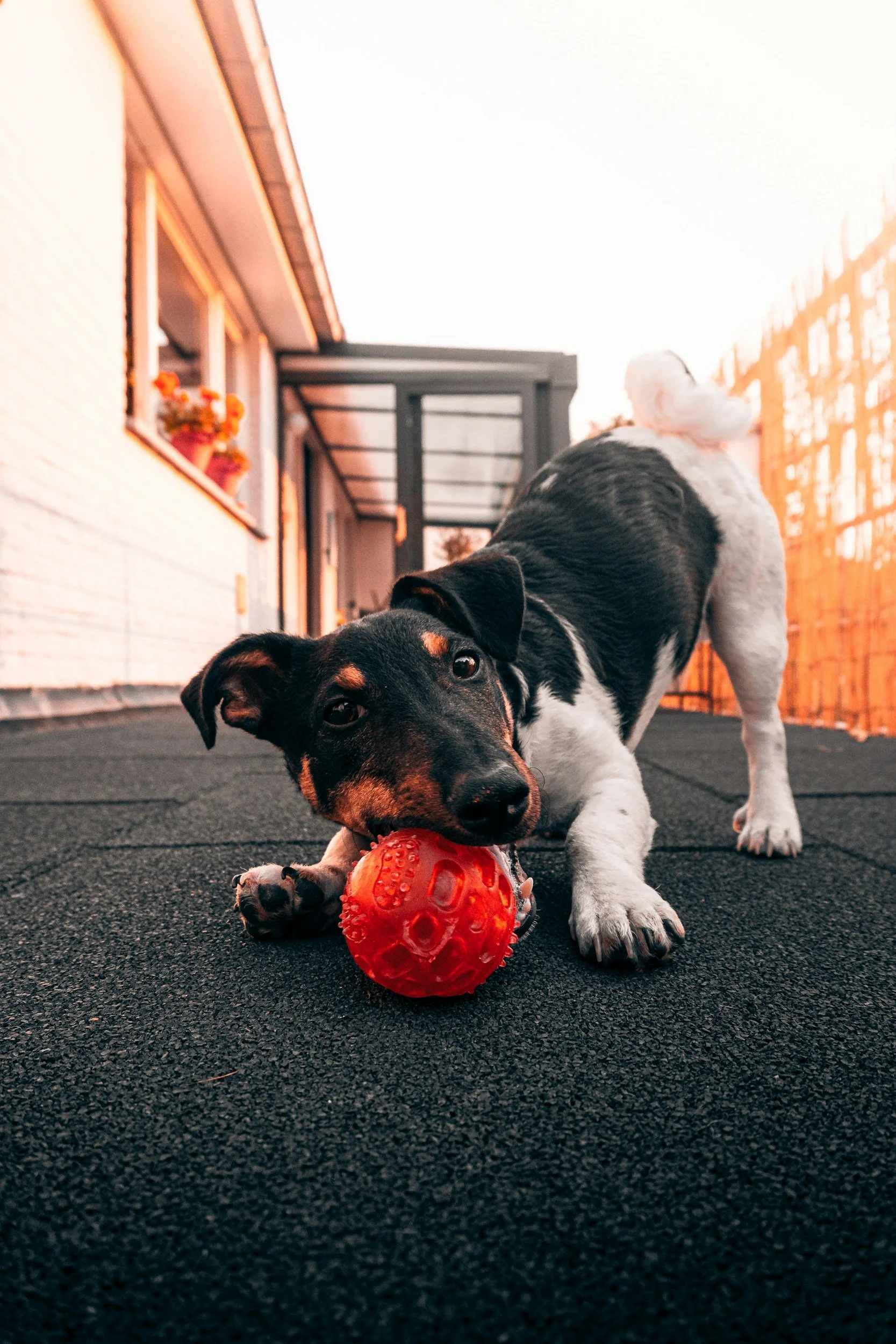
Fun and Play
Just as working toward a shared purpose can strengthen your bond, having fun together deepens your connection in a different but equally powerful way. Work hard, play hard, and do it with your dog!
Dogs naturally teach us to relax, move our bodies, and savor the present moment. Unlike humans, they rarely get caught up in judgment or stress, offering gentle reminders to be silly, spontaneous, and fully engaged with life. Their energy invites us to play freely, inhabit the moment without self-criticism, and simply enjoy being ourselves. In their presence, joy feels effortless, and fun becomes a shared experience.
Play sets energy in motion, sparks connection, and strengthens your bond. It lowers stress, deepens attachment, and brings spontaneity into everyday life. Beyond the immediate fun, these moments create lasting memories. The laughter, zoomies, and pure delight will continue to enrich your relationship long after the games end.
A Few Ways to Engage in Play With Your Dog
Play a game together, like fetch, tug, or interactive toy play.
Respond when your dog initiates play, whenever possible.
Be fully present and free from distractions while playing.
Experiment with new games, toys, or environments.
Practice mindful awareness during play: notice your dog’s joy, your own joy, and the shared experience.
Watch and appreciate them during their spontaneous bursts of energy, like the zoomies.
Play reminds both of you to delight in the connection of your relationship while engaging with the vibrancy of life.
A Practice for Strengthening Play and Fun With Your Dog
Use this step-by-step practice to intentionally create joy and deepen connection through play.
Step 1: Pick a Play Activity
Work with your dog to choose a game, toy, or activity that excites them. Here are a few simple options that can easily fit into your day:
Energy Burst Outdoors – If your dog loves running or zoomies, set aside 5–10 minutes for unstructured energy release. Run, toss a ball, or simply move together while letting them set the pace. Notice how their excitement awakens your own.
Spontaneous Dance Party – Put on music and move with your dog. Encourage jumps, spins, or playful movement around the room or yard. Shared movement builds joyful momentum and embodied connection.
Hide and Seek – Hide somewhere in your home or yard and call your dog. When they find you, celebrate together with affection, praise, or a quick game. This builds excitement, engagement, and reinforces your bond.
Step 2: Be Fully Present
Turn off distractions and focus entirely on your dog. Notice their movements, body language, and responsiveness. Observe how your own nervous system shifts as you engage.
Step 3: Follow Their Lead
Pay attention to what your dog enjoys most. Switch games or toys if they lose interest, and respond enthusiastically when they initiate play. Let their energy guide the interaction.
Step 4: Add Your Energy
Bring your own playful energy—laugh, move, and be silly. Exaggerate your movements. Your energy and your dog’s will begin to build momentum together.
Step 5: Observe and Reflect
Pause briefly to notice your dog’s relaxed or joyful state. Reflect on what activities created the most engagement and delight for both of you.
Step 6: Repeat Mindfully
Incorporate short, intentional play sessions into your routine, making play a consistent source of energy, connection, and happiness for both of you.
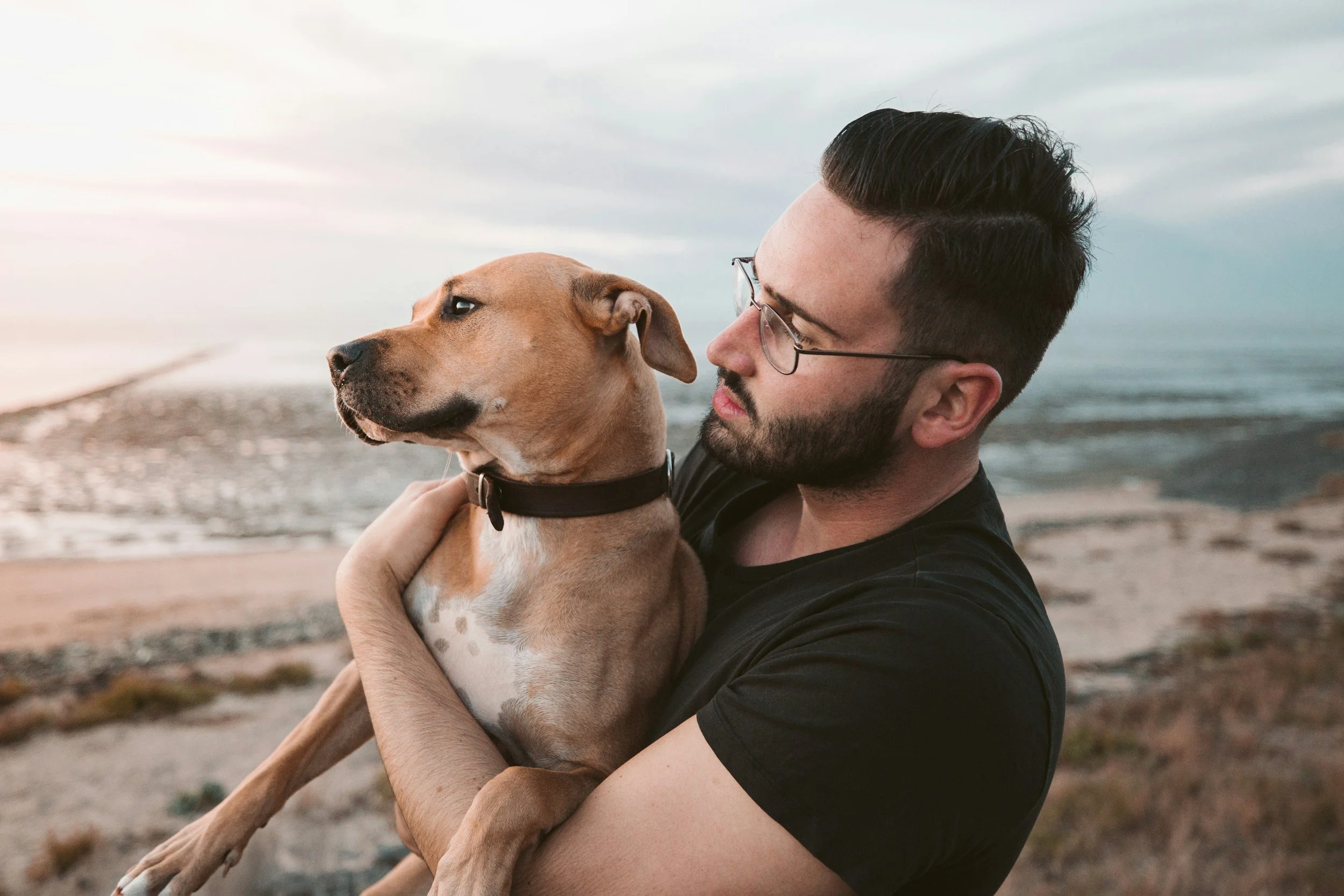
Nurturing a Lasting Connection With Your Dog
Strong relationships grow through intention rather than chance. By practicing the principles of promoting safety and trust, honoring autonomy, staying responsive, attuning emotionally, repairing missteps, finding shared purpose, appreciating your dog, and embracing play and fun, you cultivate a partnership that nourishes both of you—emotionally, mentally, and physically.
Your dog already participates in this partnership. They notice your energy, respond to your attention, and offer companionship, loyalty, and joy in countless ways. Nurturing your relationship involves meeting them halfway, honoring who they are, noticing their needs, and sharing life together with curiosity, respect, and delight. Practiced consistently on a daily basis, this approach cultivates a rich and joyful connection that endures across time.
Every interaction with your dog is an opportunity to deepen your bond. If you’d like support exploring your dog’s needs and preferences so you can respond with greater care and intention, an animal communication session can provide insight into their perspective.

Key Take-Aways
Safety & Trust Matter Most: A secure, predictable environment allows your dog to relax and opens the door to deeper connection.
Honor Their Autonomy: Respect their choices, social preferences, and comfort level. Freedom builds confidence and trust.
Stay Responsive: Notice and meet your dog’s needs, both physical and emotional.
Practice Emotional Attunement: Observe and respond to their energy and feelings; connection deepens when you match awareness with care.
Repair Missteps Thoughtfully: Acknowledge mistakes, apologize sincerely, and restore calm to strengthen trust and resilience.
Build Shared Purpose: Engage in routines, activities, or goals together to create alignment, meaning, and cooperation.
Appreciate Every Contribution: Celebrate the qualities and attributes you love about your animal to reinforce your connection.
Make Time for Play & Fun: Shared joy and spontaneous moments strengthen your relationship, reduce stress, and create lasting memories.