
Are Our Pets Aware of What’s Going On?
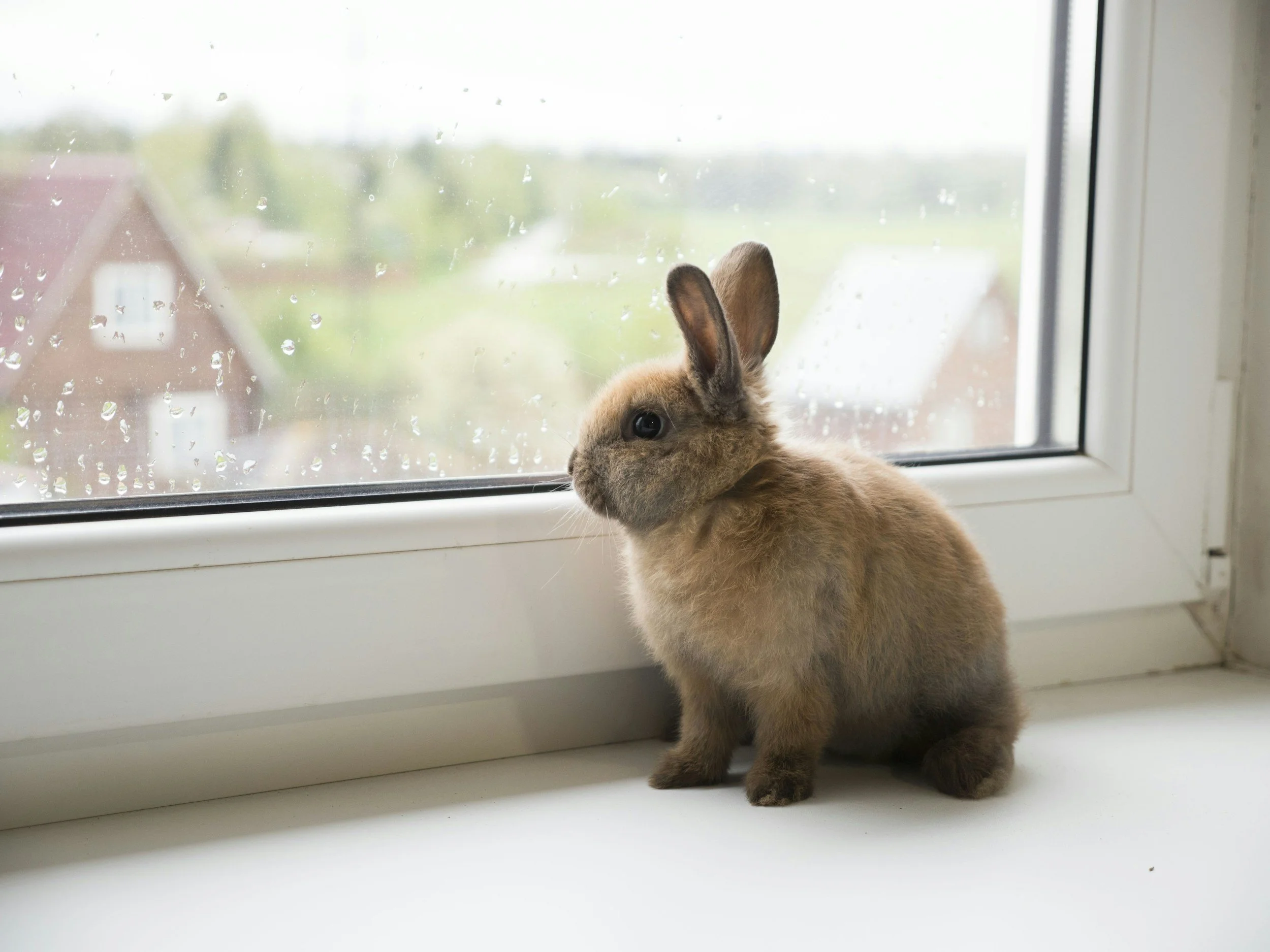
“Can you tell my dog we’re moving?”
“Can you explain to my cat why I’ve been gone so much lately?”
“Can you let our ferret know that a baby is coming?”
It’s not uncommon for me to receive requests like these during an animal communication session. Pet parents care deeply about their animals and want to make sure they understand what’s happening and feel included in the changes unfolding around them.
Whenever someone asks me something along these lines, I always pause and check in with the animal first:
“Are you already aware of this?”
Practically every time, without fail, the response is clear: “Yes!”
Sometimes the animal shares that they anticipated the upcoming change before their person did. Sometimes they offer insight that goes beyond what the human has pieced together. And often, they’ve already been adjusting internally while their person is still figuring things out.
So when the question arises as to whether our pets are aware of what’s happening around them, I can confidently say that, as a general rule, they are. And frequently, they are aware of far more than most humans realize.
Animals act as more than just passive observers in the household. As conscious participants in a shared emotional and physical ecosystem, they track what unfolds long before it receives formal acknowledgment.
Of course, every animal and every situation is unique. It’s important not to overgeneralize or assume uniform awareness in all circumstances. But when we’re unsure, we can ask. And more often than not, the animal demonstrates a level of perception that us humans may find surprising.
Let’s explore what our animals notice and how we can check in with them so they feel included.

How Humans and Animals Share Awareness, Participation, and Communication
To understand why animals often know more than we assume, it helps to look at how humans and animals share awareness within a household.
In many homes, a dynamic partnership naturally unfolds between humans and animals: one grounded in awareness, participation, and communication.
Humans and animals engage with the household together, responding to changes in relationships, routines, and the emotional landscape. Both maintain a continuous sense of what is happening, noticing practical shifts, making plans, monitoring emotional currents, behavioral patterns, energy flows, and the evolving rhythm of daily life.
Participation and awareness often reflect overlapping intentions. Humans and animals each bring their own motivations and perspectives, yet their interests frequently align in the shared desire for a harmonious home environment. Awareness helps both partners evaluate what is developing and adjust as needed, while communication ensures each feels included, understood, and supported along the way.
Communication flows in both directions throughout this shared engagement, with humans and animals exchanging information through speech, gestures, behavior, emotion, presence, and telepathic impressions.
This exchange forms a relational loop in which awareness, participation, and communication continuously inform one another. When people feel the urge to explain something to their animal, that instinct often reflects recognition of this partnership — an understanding that their companion actively participates in the household and deserves inclusion in what unfolds.

Why Pet Parents Want to Make Sure Their Animal Companions Understand What’s Happening
Once we recognize that animals are active participants of household life, it becomes easier to understand why many people feel the urge to include them in major changes.
When an important change approaches, many people feel a natural urge to fill their companion in. They want their animal to understand what’s happening so confusion, exclusion, or sudden surprises never catch their companion off-guard. They worry that without that context, a major shift could feel unsettling.
Questions like these often arise:
“What if the move feels abrupt?”
“What if they don’t understand why I’ve been away from home so often?”
“What if a new baby changes the household dynamic overnight?”
Such concerns reflect the depth of the relationship many people share with their animals. Living alongside another being naturally invites inclusion in meaningful moments and decisions, and concern for how those changes will affect them.
Therefore, when people ask me to explain something to their animal, the request almost always stems from a place of love. Humans who care about their animal companions want them to feel safe and included in the life they share together.
This instinct often signals a strong, respectful bond. It shows that you recognize your animal as a participant in the household rather than a passive presence. That perspective naturally leads people to communicate with their animals in an effort to reduce anxiety, strengthen trust, and move through life’s changes collaboratively.
Interestingly, the same instinct that motivates humans to include their animals often appears in animals through their own desire for awareness and participation. Many animals maintain awareness of what happens around them because they want to remain connected to the emotional and relational landscape of their household.
As a result, animals often sense what’s coming long before it becomes official. They overhear conversations, track decision-making, and notice the steps that signal a shift is underway.
So, while you work to make sure your animal understands what’s happening, they’ve likely already been paying attention and processing it in their own way. That doesn’t mean you should skip communicating with them — sharing openly still deepens connection and trust — but you can take comfort in knowing your companion probably understands more than you fear they might not.

How Animals Perceive What’s Happening Around Them
Animals gather information about their environment much like humans do, using their senses to observe the sights and sounds around them. They pay close attention to human conversation, noting what is said, the tone, and how it fits into the rhythm of household life. They tune in to energetic and emotional states, registering alterations in body language, energy, and daily routines.
Intuition provides another channel for perception. Animals exchange impressions, emotions, and insights energetically with the world, picking up information that humans often overlook. They can even exchange information with other beings who aren’t physically present.
By blending sensory input, emotional cues, and intuitive understanding, animals often perceive developments long before anyone explains them. Awareness flows through their interactions and observations, forming a rich, multi-layered connection with the people they live alongside.
Of course, these descriptions offer general patterns rather than absolutes, as every animal perceives the world in their own way. If you’re curious about how your companion picks up information, you can always ask them directly.

What Are Animals Aware Of?
Animals constantly participate in household life—but what do they actually notice? When it comes to their pets’ awareness, people usually wonder if their animal perceives specific changes or household dynamics.
Animals track developments across multiple areas, often picking up on shifts long before humans consciously register them. Key domains of awareness include:
Major Life Changes
Moves and relocations
Career transitions or school changes
Family expansions or the arrival of a new baby
Separation, divorce, or household restructuring
Travel plans or extended absences
Emotional States
Happiness, gratitude or contentment
Anxiety, excitement, or irritability
Grief, sadness, or emotional withdrawal
Burnout, decision fatigue, or emotional overload
Hope, relief, or renewed purpose
Household Relationships
Overall relational dynamics and roles
Tension, arguments, or suppressed resentment
Emotional distance or disconnection
Shifts in attention, caretaking, or focus
Efforts to strengthen connection, cooperation, or closeness
Physical and Environmental Changes
Illness, chronic pain, fatigue, or recovery
Pregnancy and hormonal shifts
Routine disruptions, altered schedules, or sleep and meal changes
New people or animals entering or leaving the household
Financial or practical stressors affecting household energy
Even with this extensive awareness, humans often doubt what their animals observe. Understanding why we underestimate them requires looking at how culture, upbringing, and habitual ways of thinking shape the way we interpret animal perception.
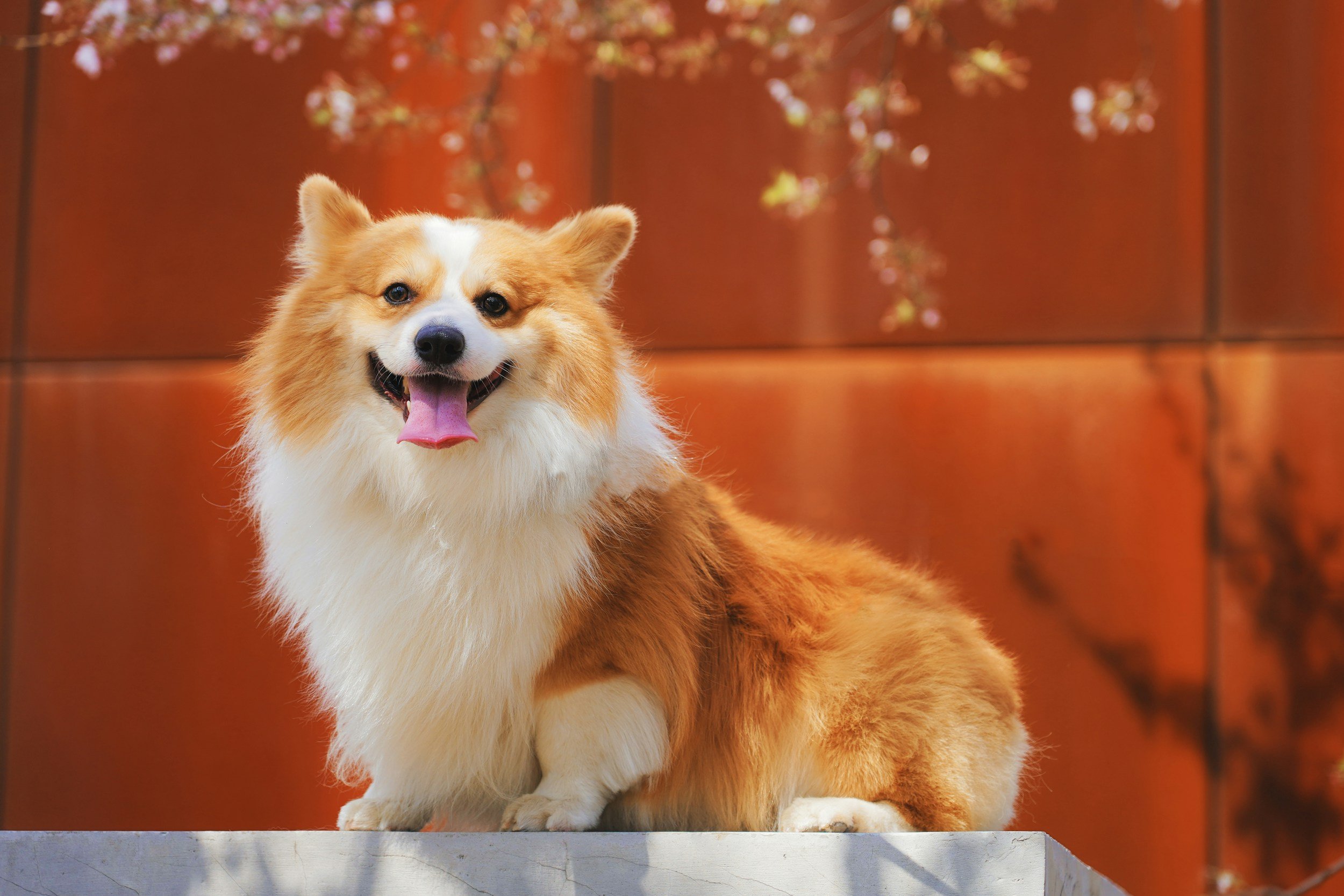
Why Are We So Unsure Whether Animals Know What’s Going On?
If animals are aware of so much, why do humans sometimes assume they aren’t, question whether they are, or dismiss their level of awareness?
The answer often has less to do with the animals themselves and more with how human culture has conditioned us to think about the awareness of other beings in nature. Several cultural habits shape the way we interpret animal perception:
1. Mistaking Verbalization for Awareness
Part of the confusion about animal awareness comes from how humans define awareness itself. Many human cultures closely tie awareness to verbal expression. In other words, if someone cannot speak about what they know, we often assume they do not know it.
We unconsciously think: “If I haven’t told them, they can’t possibly be aware.”
Or, “If the animal isn’t talking about it in human language, then they must not understand what’s going on.”
But the act of verbalizing something and the act of perceiving it are completely different processes. Just because an animal cannot repeat something back in a human voice does not mean they are unaware of it.
2. Making Assumptions About Behavior
Another common assumption sounds like this:
“If they knew, wouldn’t they act differently?”
Not necessarily.
Humans often expect animals to respond in ways that mirror how we think we would react. When an animal’s behavior doesn’t reflect those expectations, we sometimes assume the animal must not understand what’s happening.
But animals have their own ways of processing experiences and responding to them. An animal who appears calm may already have adjusted internally, while another may be quietly evaluating the stability of the situation. Others may become more watchful, withdraw for a period of time, or show bursts of restlessness as they process what they’re noticing.
For example, people sometimes worry that another animal in the household seems “unaffected” when a companion passes away. Because the surviving animal does not react with obvious distress, humans may assume they didn’t understand what happened. Yet animals often perceive death differently than humans do. Their response may be expressed in ways that don’t resemble human grief.
When we project human expectations onto animal behavior, we risk assuming a lack of awareness on the animal’s part when, in reality, that may be far from the truth.
3. Discounting Animal Perception of Time
Many people assume animals live only in the present moment, experiencing life as it unfolds. That assumption can lead to the belief that they can’t reflect on the past, anticipate what’s coming, or fully grasp what’s happening around them.
In reality, animals remember experiences, notice patterns, and anticipate outcomes—just as humans do. Their understanding of daily life integrates both past experiences and future possibilities. In fact, animals even perceive time in a more multi-dimensional way than the linear assumptions humans typically engage with.
Recognizing that animals extend their awareness beyond the “here and now” invites a deeper appreciation of their cognitive and emotional engagement. It also challenges us to reconsider what awareness truly means, expanding our understanding of the depth and sophistication of their perception.
4. Misconceptions About Dependency and Awareness
Because humans provide food, water, medical care, and shelter, it’s easy to view animals as dependent on us. We manage the logistics of daily life—from paying bills to transporting them to appointments—and this visible reliance can create the impression that animals need humans to navigate their world.
This assumption often leads to underestimating both their capabilities and their awareness, while simultaneously overestimating our own role. We overlook how animals actively contribute to the household, while painting ourselves as the heroes who refill their water bowls.
When we invite their perspective, we often discover that even the most reserved animals consciously participate in the shared life we navigate together.
5. Cultural Beliefs About Human Superiority
Another factor shaping these assumptions is the way many people have been taught to think about the relationship between humans and the natural world.
For centuries, dominant cultural narratives have placed humans at the top of a hierarchy of intelligence and awareness. Animals were often framed as lesser beings — instinct-driven, limited, and existing primarily for human use.
These beliefs grew out of broader systems that justified domination over land, animals, and even other humans. The same worldview that permitted conquest of nature also supported colonization, exploitation, and hierarchical thinking about which lives were considered more valuable or intelligent.
Even when people consciously reject those ideologies, traces of them still show up in how we’re raised and what we’re taught about animals.
If we are conditioned to assume humans are inherently more aware than other species, we rarely pause to ask whether or how animals might be perceiving the situation from their own perspective.
6. Modern Lifestyles Limit Our Connection With Nature
Contemporary life often leaves little time for slow observation or immersion in the living world around us. Urban environments, demanding schedules, and constant digital engagement pull our attention away from the activities of animals and other beings of nature. Even those of us with pets can experience this reduced exposure, limiting opportunities to witness animal awareness in action.
When humans spend less time observing and reflecting on animals’ behavior, it becomes easier to assume they notice or understand less than they do. Everyday intelligence and adaptability may go unrecognized, reinforcing misconceptions about their awareness.
Carving out moments to slow down and engage with animals—whether companions at home or wildlife nearby—helps us notice their responsiveness. Rebuilding this connection cultivates respect for their perception and the ways in which animals interact with our world.
7. The Fear of Being Wrong
Humans often hesitate to credit animals with awareness because acknowledging their perception can feel risky—intellectually, emotionally, and ethically. It can seem “safer” to assume an animal knows less than it actually does, since truly recognizing their depth of perception might challenge our understanding or behaviors. This assumption also gives cover for actions that might otherwise feel unethical or uncomfortable, letting us act as if our choices go unnoticed.
For example, many people still boil lobsters alive. Treating them as unaware makes the act feel easier, avoiding acknowledgment of their experience. Recognizing their sentience would force us to confront the responsibility of engaging collaboratively with lobsters. Downplaying their awareness lets us sidestep the work of considering their perspective.
Yet avoiding this recognition doesn’t change reality. Opening ourselves to a deeper understanding of animals’ awareness fosters richer relationships with them. In doing so, we trade indifference for connection, cooperation, and respect.
Understanding why humans doubt animal awareness reveals more about us than about them. Our assumptions, habits, and fears can blind us to the full depth of their perception. Letting go of these biases allows us to recognize animals as conscious, engaged participants in life, opening the way to relationships rooted in respect and genuine collaboration.
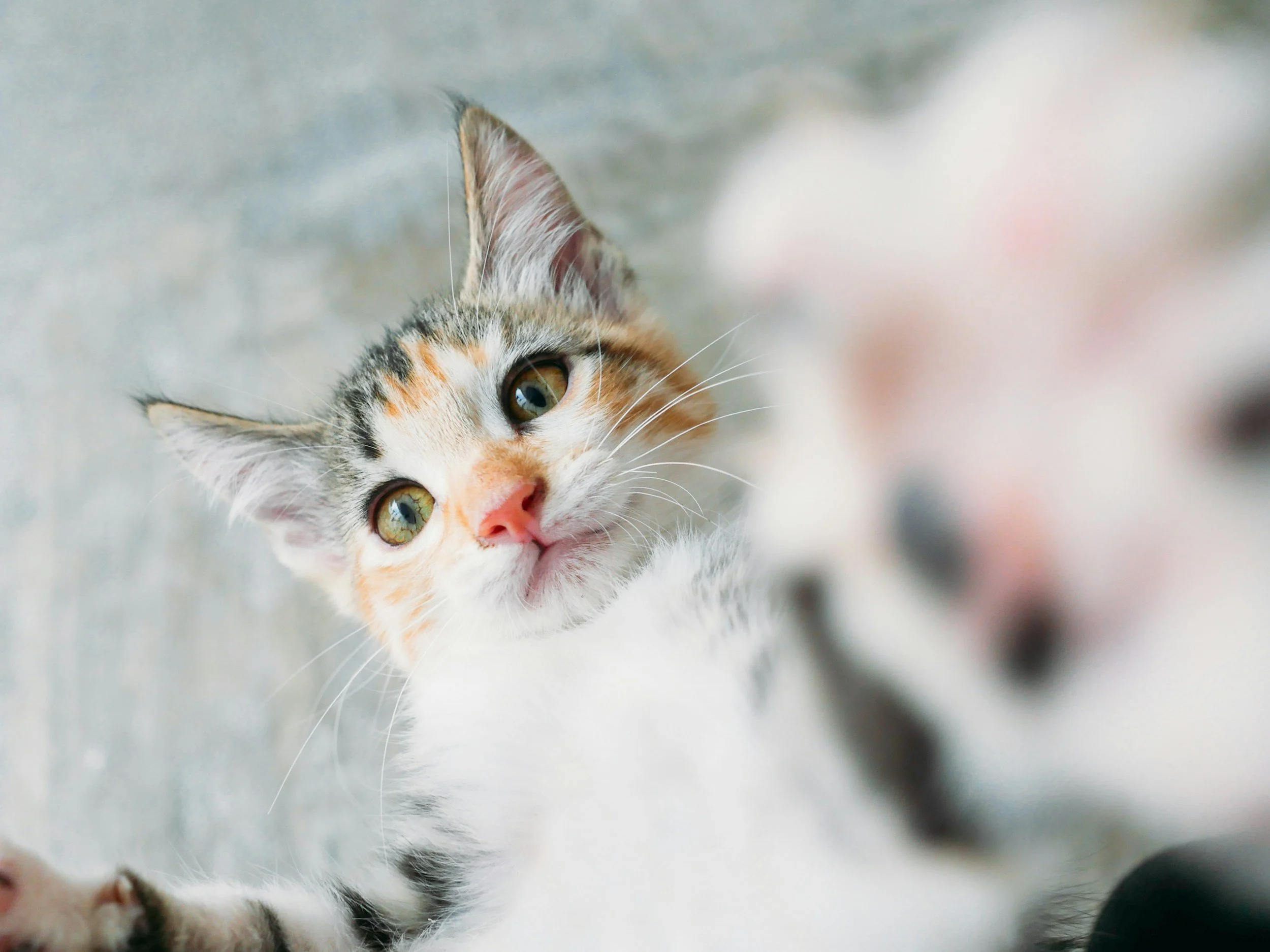
How to Make Sure Your Pet Feels Included in What’s Happening
One of the most effective ways to support your animal’s awareness is to include them in the conversation. Keeping them informed doesn’t require complicated techniques or special preparation. In many cases, it’s as simple as sharing what’s going on.
Most of the animals I’ve encountered genuinely appreciate when their humans talk to them about plans, acknowledge what’s changing, and consider how those changes might affect them. Being included helps them feel respected and connected to the life they share with you.
You can communicate this information either out loud or telepathically. Animals are receptive to both forms of communication, and they can receive the message whether you are physically together or not.
If you are with your animal in person, speaking out loud can be especially helpful. Many animals enjoy hearing the sound of their person’s voice, and verbalizing your thoughts can help you organize what you want to share. As you talk through the situation, you may find that the process helps you clarify plans, anticipate potential challenges, and think through solutions.
In that way, the conversation benefits both of you.
Over time, this kind of open communication can strengthen trust and cultivate a deeper sense of partnership as you and your animal navigate life together.
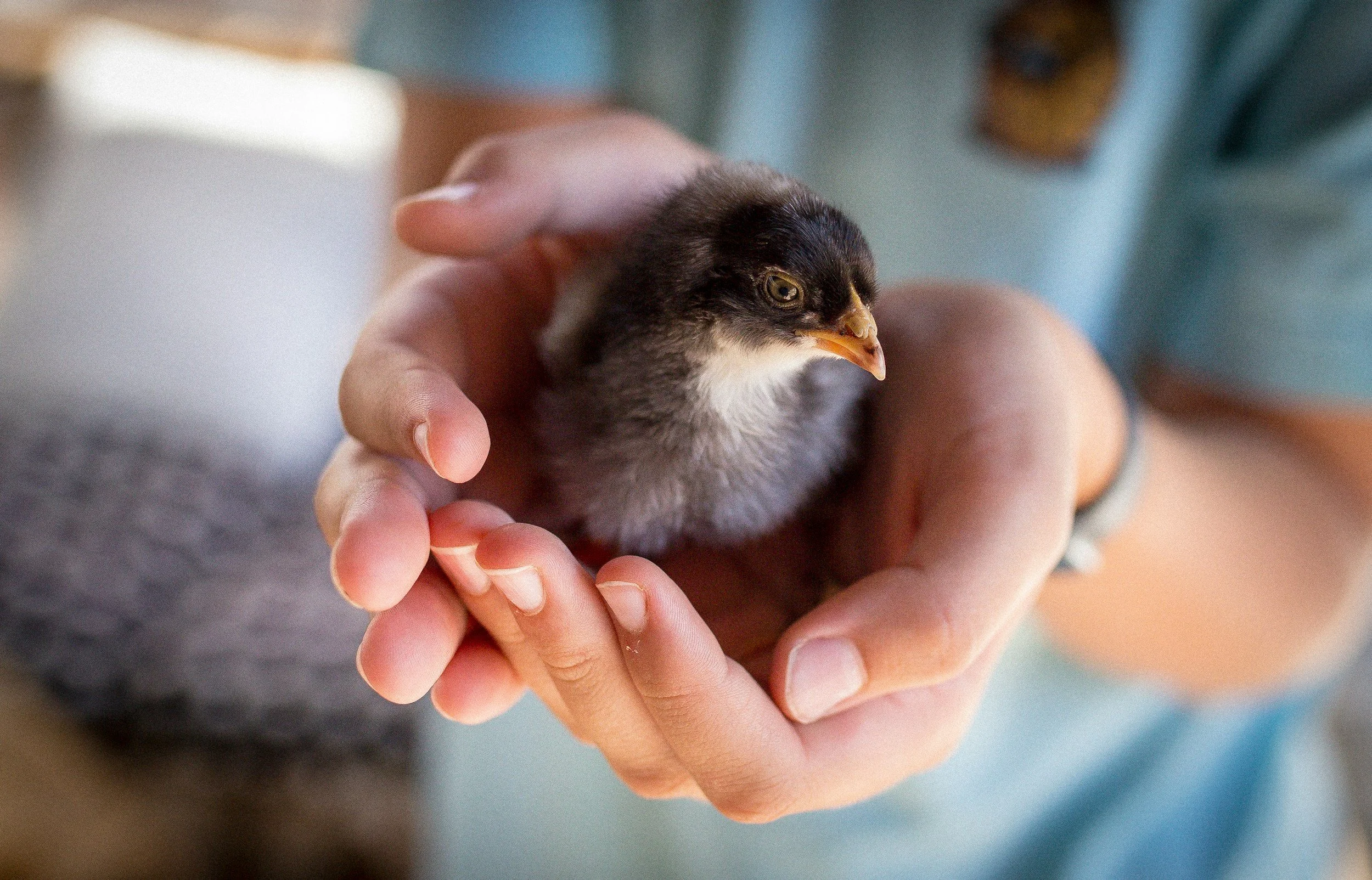
How to Use Animal Communication to Check Your Animal’s Level of Awareness
Talking to your animal about what’s happening in your life is one powerful way to include them in the shared experience of the household. Simply explaining upcoming changes helps many animals feel respected, informed, and connected to the life you share together.
But communication does not have to move in only one direction. Animal communication offers a way to listen for your animal’s perspective as well.
During communication sessions, I often begin by checking in with animals about their level of awareness. You can also use animal communication to do the same with your own companion when you’re unsure whether they know what’s happening.
Animal communication involves the telepathic, non-verbal exchange of information. Rather than speaking out loud, ideas are shared internally through images, words, feelings, sensations, or emotions.
While you’re sharing information with your animal, you can pause and invite their perspective. Ask how they feel about the situation, whether they have concerns, or if there is anything they would like you to know. Their response may come through telepathically as an image, feeling, impression, or intuitive sense.
These exchanges can become reciprocal conversations, where you share what is happening in your world and your animal offers insight from theirs.
You might send a mental picture of something that is about to happen, or a simple thought such as, “We’re going on a trip soon.” The animal then responds in their own way, and you receive that response internally.
Because this type of communication occurs energetically rather than verbally, it does not require you to be in the same physical space as your animal. And while it may sound unusual at first, this type of communication is a natural ability that humans share with animals. All that is required is a willingness to open your awareness and be present with your animal.
Pet parents are often especially receptive to this process because they already care deeply about their animals and genuinely want to understand them. That desire creates a strong foundation for communication.
A Simple Way to Check In With Your Animal
If you’re wondering whether your animal is aware of something happening in your life, you can try a simple check-in.
First, communicate the situation clearly. For example:
"We’re planning a big trip soon."
"Family members are coming to visit."
"We may be moving in a few months."
After sharing the information, ask a simple question such as:
"Are you already aware that this is happening?"
Then pause and listen.
Responses may come in different forms. You might receive:
a word or phrase
an image
a feeling or emotional impression
a sense of yes, no, or uncertainty
Trust whatever comes through. Often, when people begin checking in with their animals this way, they are often surprised by how aware their companions already are.
If the response isn’t immediately clear, that’s okay. Like any form of communication, this skill becomes easier with time and practice. If you’re unsure about what you received, you can always ask again or try phrasing the question differently. Communication often becomes clearer with practice. What matters most is including your animal in the conversation.
Even if you doubt your interpretation at first, your animal will feel the intention behind the effort. They know when their person genuinely wants to hear them. That alone will strengthen your relationship.

A Shared Life Means Shared Awareness
Living with animals means sharing everyday life with another conscious being who participates actively in the household. Our companions notice what unfolds around them in order to move in step with the rhythms of life. They listen to conversations, sense shifts in our bodies and emotions, monitor changes in routines, and register the energy of the home. Often, they perceive upcoming changes even before humans consciously recognize them.
While animals experience events through their own perceptions and priorities, their lives remain closely intertwined with ours, creating a space that invites ongoing awareness and communication. Talking with your animal, sharing plans, and inviting their perspective honors your partnership. Including them in these conversations strengthens trust and reminds both of you that life unfolds together rather than separately.
Using animal communication to confirm what they notice transforms how we perceive their responses. Instead of worrying whether they understand, we begin to see all the ways they already do—and often discover they have been paying attention all along.
If you’re curious about your animal’s awareness, I offer animal communication sessions where we can ask them directly. If you’d like support with this, you can schedule a session here.

Key Take-Aways
Animals are active participants in life. They notice changes in routines, emotions, relationships, and the physical environment.
Awareness doesn’t require verbalization. Just because an animal doesn’t communicate in human language doesn’t mean they don’t understand what’s happening.
Animals perceive time. They can integrate past experiences and anticipate future events. They often sense changes before humans consciously recognize them.
Animals contribute actively to the household. They influence energy, routines, and relationships in ways we may not always recognize. Dependence on human care does not diminish their awareness.
Cultural assumptions shape how we perceive animal awareness. Modern lifestyles and the fear of being wrong can lead us to underestimate their awareness, but slowing down and observing helps counter these biases.
Including animals builds trust and connection. Communicating about upcoming changes—whether verbally or telepathically—helps them feel informed, respected, and part of the life you share.
Animals have perspectives worth hearing. Checking in with them reveals how much they already understand, fostering deeper engagement, cooperation, and shared understanding.
YOU’LL ALSO LOVE…