
Can You Be Skeptical and Still Benefit from Animal Communication?

Are you curious about hearing your animal, but unsure whether it’s actually possible?
Maybe you’ve come across people online who communicate with animals, or heard about it through friends, and something about it felt a little too far outside your comfort zone. And yet, despite that hesitation, a part of you remains curious. You might find yourself wondering whether it’s worth exploring—whether through a session with an animal communicator or by trying to connect with your animal on your own.
If you’ve ever found yourself thinking, “I don’t know if I believe in this…” you’re not alone.
Here’s the good news: skepticism doesn’t disqualify you from this work. In fact, it can actually support it. When you bring a thoughtful, questioning mindset into your interactions, you naturally pay closer attention, notice more detail, and engage with greater presence.
Animal communication invites connection and opens the door to noticing what unfolds when you listen with intention. Skepticism doesn’t close that door. Rather, it often helps you walk through it more consciously.

Understanding Skepticism
Skepticism functions as an attitude of questioning rather than outright denial. When you approach something skeptically, you don’t accept it blindly. Instead, you suspend belief and examine the evidence, evaluating whether it holds up. In fact, skepticism at its core involves keeping an open mind: the word itself derives from the Greek skepsis, meaning ‘inquiry.’
Starting from skepticism provides an ideal foundation for exploration. By not dismissing the possibility of communication, you create space to observe, reflect, and build understanding. Skepticism acts as a healthy filter, helping your brain weigh possibilities while exercising discernment. Thoughts like “I’m not sure if animal communication is possible” or “I’m not sure if I’m hearing the animal correctly” naturally prompt questions. Curiosity, in turn, primes the mind for attentive listening.
Consider a conversation with a human friend: you may doubt whether you fully understand their perspective, yet you can still absorb their words, notice gestures or tone, and respond thoughtfully. Skepticism doesn’t block connection. Instead, it sharpens your awareness and motivates you to engage with them.

Skepticism Doesn’t Invalidate the Experience
Doubt does not change reality. You could insist the Earth is flat, yet its curvature persists. Similarly, your belief or disbelief doesn’t determine whether animals can communicate telepathically.
Furthermore, you can remain skeptical while still gaining meaningful benefits from communicating with animals. Even if skepticism colors your perception during a session, taking the time to observe, reflect, and participate can still benefit your relationship with your animal. Whether or not you fully “buy in,” your attention, care, and presence carry real value.
For example, during an animal communication session, your horse communicates discomfort in its mouth. The animal communicator conveys that the horse is indicating a sore, and although you take the message skeptically, you make a mental note to mention it to your veterinarian at the next barn visit.
A few days later, the vet arrives, tools in hand. As the horse stands calmly in the cross-ties, the vet examines its teeth and discovers a small, raw sore inside the cheek. With careful precision, the vet performs a dental float, smoothing sharp edges and gently filing down points that had been causing irritation.
Later, as you watch your horse happily nibble hay, free of discomfort, you realize that even your skeptical attention made a tangible difference. Though you questioned the information, it still led to a direct, positive outcome—an improved bite, a soothed mouth, and a happier, more comfortable horse.

Skepticism as Part of Development
Sometimes, even the most ardent skeptics of animal communication become the most skilled communicators in the end.
Take Pea Horsley, for example. She didn’t start her journey as a believer. When she adopted her dog, Morgan, she sensed he felt sad but couldn’t understand why or what he needed. Seeking answers, she signed up for an animal communication workshop, assuming it would focus on body language or behavioral cues.
When she realized the workshop involved telepathic communication, skepticism hit immediately. To her, it sounded like wishful fairy tales, and she even considered leaving during the lunch break.
Something (or someone) prompted her to stay, however. During a partnered exercise, another participant communicated with Morgan and shared specific details they could not have known unless the information came directly from him. That interaction sparked curiosity she couldn’t ignore.
Back at home, she decided to try communicating with Morgan herself. Through the process, she discovered the root of his sadness. Once she addressed it, Morgan’s behavior shifted almost immediately. Even her other animal, who had previously been uneasy around Morgan, relaxed and began to settle.
What began as doubt evolved into exploration and, eventually, a dedicated path. Today, Pea Horsley is a respected animal communicator, teacher, and author, offering workshops, writing books on interspecies communication, and working with clients worldwide.
For many animal communicators, skepticism forms a natural part of the learning journey. Animal communication teachers often note that some of their most adept students started out deeply skeptical. Beginners often question whether they can receive information accurately, and even experienced communicators encounter doubt as they continue to refine their skills and engage with animals. Far from a barrier, skepticism supports the learning process by sharpening critical attention, helping you calibrate understanding and build confidence over time.
Repeated Experiences Build Confidence
It’s natural to feel uncertain when starting your own animal communication journey. At first, the idea of speaking with animals telepathically can feel abstract and unfamiliar. Without prior validating experiences, skepticism naturally arises, and you may wonder whether telepathy exists or works reliably.
Yet over time, repeated confirmations begin to build trust. When an animal consistently communicates preferences or reactions that align with your observations, your understanding grows, and your engagement becomes more intuitive.
For example, while practicing animal communication, you hear your donkey signal that he would like an apple for a snack. You approach the request skeptically but offer the apple anyway. The donkey eagerly devours it and nudges for more, confirming that you did indeed hear him correctly. Later, your dog looks intently at you. You wonder if she’s trying to tell you something. When you ask, she indicates she’s thirsty. You check her water bowl and find it completely dry. Filling it up, you again realize that you did, in fact, receive an animal’s message. Over time, experiences like these reinforce your confidence, helping you trust the process more and more.
This gradual navigation of skepticism mirrors many experiences in daily life. Consider how repeated observation fosters understanding: when you were a child learning to walk, letting go of an object led to it falling. Over time, you learned to trust gravity without spending time constantly questioning it. As an adult, you no longer hesitate to stay behind safety rails at the Grand Canyon. Repeated experience has built automatic trust.
Similarly, repeated insights from your animal strengthen awareness and encourage trust without requiring immediate belief. You start accepting the information at face value and can be fully present with your animal, without skepticism interfering. The skepticism may not ever fully disappear, but its fading into the background frees you up to listen more attentively and engage more meaningfully with your animal.

Imagination, Perception, and What We Accept
Even with repeated confirmation, adults often carry layers of doubt shaped by earlier experiences—internalized beliefs learned in childhood that taught us our inner perceptions weren’t trustworthy.
Think back to when you were growing up. Do you remember hearing something like, “Oh, that’s just your imagination”? Many people hear this from caregivers, teachers, or other adults in their lives. Often, these comments come from a place of care—adults want to soothe a child’s worry, redirect their attention, or make sense of confusing feelings. Yet even well-intentioned words can leave an imprint, shaping how we relate to our inner world.
Being told that your thoughts, feelings, or perceptions reflect nothing more than “imagination” can train you to dismiss experiences that fall outside what can be touched or measured. Over time, that dismissal becomes automatic, teaching the mind to question the information it receives.
So when an animal communicates telepathically, it’s easy to default to skepticism or dismissal—even when what we’re receiving feels accurate. Adults, in particular, often carry decades of this learned doubt. It may show up as discomfort with the idea of animals communicating, uncertainty about whether it’s possible, or a tendency to analyze the process rather than listen to what’s being shared. Even when the communication is clear, the focus can shift from receiving to evaluating.
Most of us weren’t always this way. Before we absorbed those layers of conditioning, we were more open and receptive to animals’ perspectives, with far less filtering.
And yet, even as adults, we still rely on non-physical forms of knowing every day:
Inferring a friend’s mood from their posture or tone
Sensing tension in a room before a conversation begins
Recognizing when someone is holding something back
Feeling drawn toward or away from a person without a clear reason
Knowing when something is “off” before you can explain why
Trusting a gut instinct when making a decision
Experiencing a sudden thought or insight that feels like it arrived fully formed
Animal communication builds on this existing capacity. It invites you to reconnect with a way of perceiving that may still feel familiar, even if it’s been suppressedover time. Messages from animals may not be something you can hold in your hands, but like many other internal experiences, they can still be felt, recognized, and understood.
Skeptical and Open-Minded Can Coexist
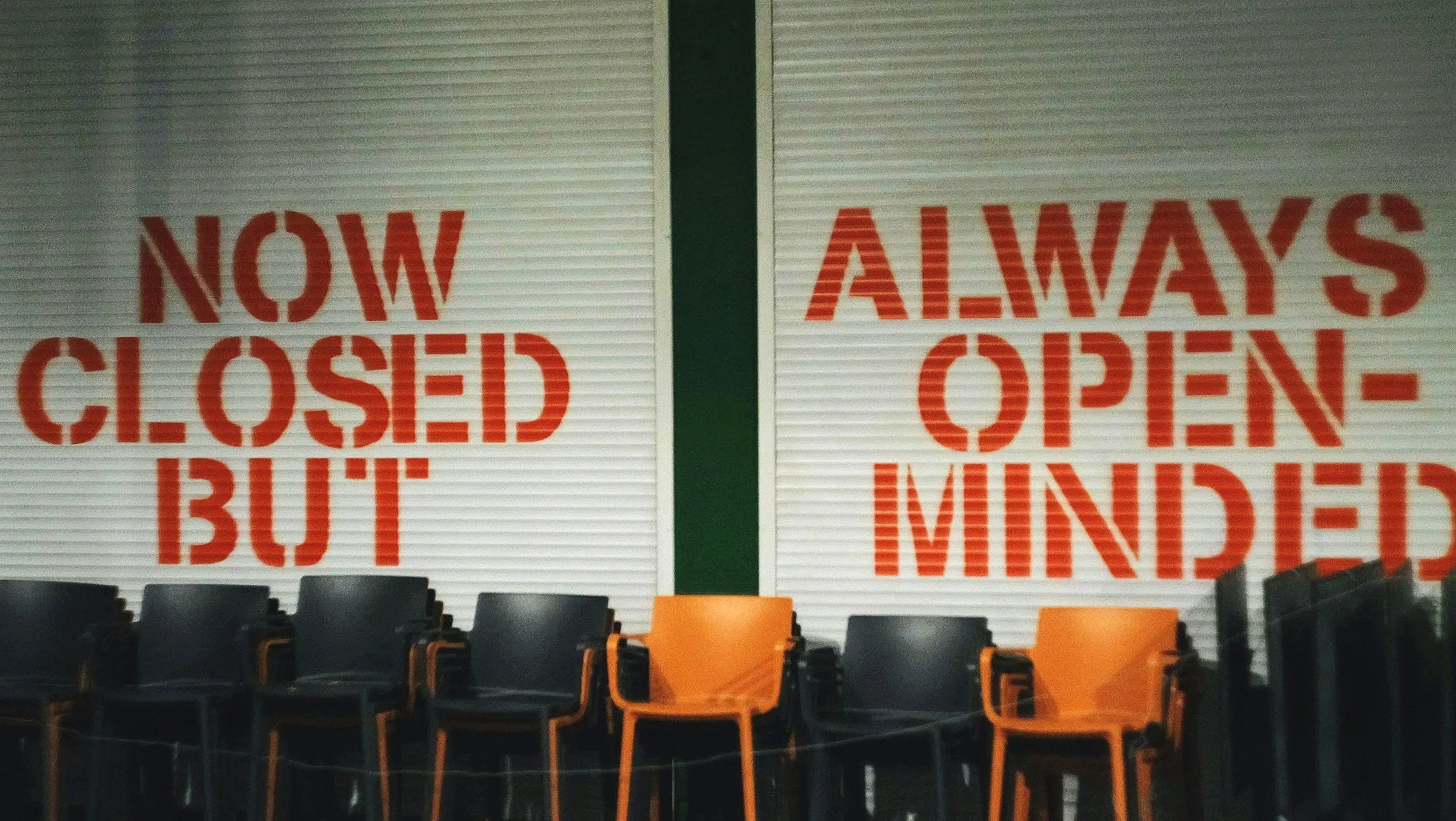
Humans often feel pressured to choose between complete belief or full dismissal. In reality, you can remain skeptical, discerning, and attentive while still being open to receiving telepathic information from animals.
Rather than needing to resolve that tension, you can work within it—holding your doubt lightly while staying open and engaged with what your animal may share.
Animals themselves offer a powerful model of this balance. For example, when adopting a dog from a shelter, you may first encounter a shy, withdrawn, or cautious animal—skepticism in action. Yet despite their hesitations, they may offer a slow, tentative tail wag when you stand in front of their kennel as a small gesture of receptivity. Even with reason to doubt, they access openness, laying the groundwork for connection once they come home.
This middle space may prove profoundly rewarding. Curiosity and receptivity coexist with discernment, creating opportunities for meaningful connection, richer observation, and nuanced understanding. By allowing both skepticism and openness to be present, you give yourself the chance to engage fully without abandoning critical awareness.

Practical Mindsets for Skeptical Listeners
Thankfully, you don’t need to park your skepticism at the door in order to experience the richness of animal communication. As you begin balancing skepticism with openness, you can engage more intentionally by allowing your attention to rest on your animal’s messages rather than evaluating the process in the moment. Approaching sessions this way creates a more grounded, natural connection.
Here are a few ways to support that balance, regardless of whether skepticism is present:
Remain curious.
Approach the session with a sense of openness rather than immediate evaluation. Let yourself receive what comes with interest, and give yourself time to digest the information without stressing about what it means or whether it “counts.” Pay attention to anything that offers a fresh perspective—details about your animal’s preferences, personality, or experiences that you hadn’t consciously considered before. A curious approach creates space for the conversation to unfold naturally, shifting the focus away from the pressure to prove or disprove what you’re receiving.
Be present.
It’s easy for the mind to drift toward big questions like “Is this real?” or “Am I doing this right?” When that happens, gently bring your attention back to your animal. Focus on what they want to share, rather than analyzing the process as it unfolds. The more present you are, the easier it becomes to receive what your animal communicates.
Keep it playful.
When the experience starts to feel like a test, the mind can tighten and begin to second-guess. Instead, approach it with playfulness, lightness, and even a bit of humor. This not only helps ease skepticism, but animals often respond positively to this kind of energy, communicating more openly.
Savor the process.
Engaging in the act of listening—regardless of what you believe—has value in and of itself. Slowing down and intentionally focusing on your animal fosters connection, no matter your level of buy-in to the animal communication process. Simply being present allows you to experience connection in ways that transcend certainty, with even moments of uncertainty becoming meaningful parts of the journey you share with your animal.
Accept your skepticism
It’s common to worry that being skeptical might somehow interfere with an animal communication session, or that you might “mess it up.” The truth is, your animal can communicate with you regardless of your level of belief or doubt.
Your internal state—whether you’re distracted, tired, sad, or preoccupied—doesn’t block the connection. Think of it like talking with a friend on the phone: you may have a lot going on internally, but your internal state doesn’t jam the line. Similarly, your skepticism may affect your experience, your feelings, or how you interpret the session, but it doesn’t stop your animal from sharing.
By accepting your doubt instead of resisting it, you step into the session authentically. Animals communicate with us exactly as we are—curious, distracted, doubtful, or joyful—and they respond to our presence rather than our certainty. When you approach them in this same spirit, you create space for shared awareness to unfold naturally.
Just because you choose to stay curious, remain present, and approach the experience with an open mind doesn’t mean you have to abandon your skepticism altogether. You can hold it lightly, or simply set it aside for the moment and return to it later, after you’ve spent time listening and engaging with your animal. More often than not, skepticism may soften its grip, becoming less important as your connection with your animal grows.
Benefits Occur Without Certainty
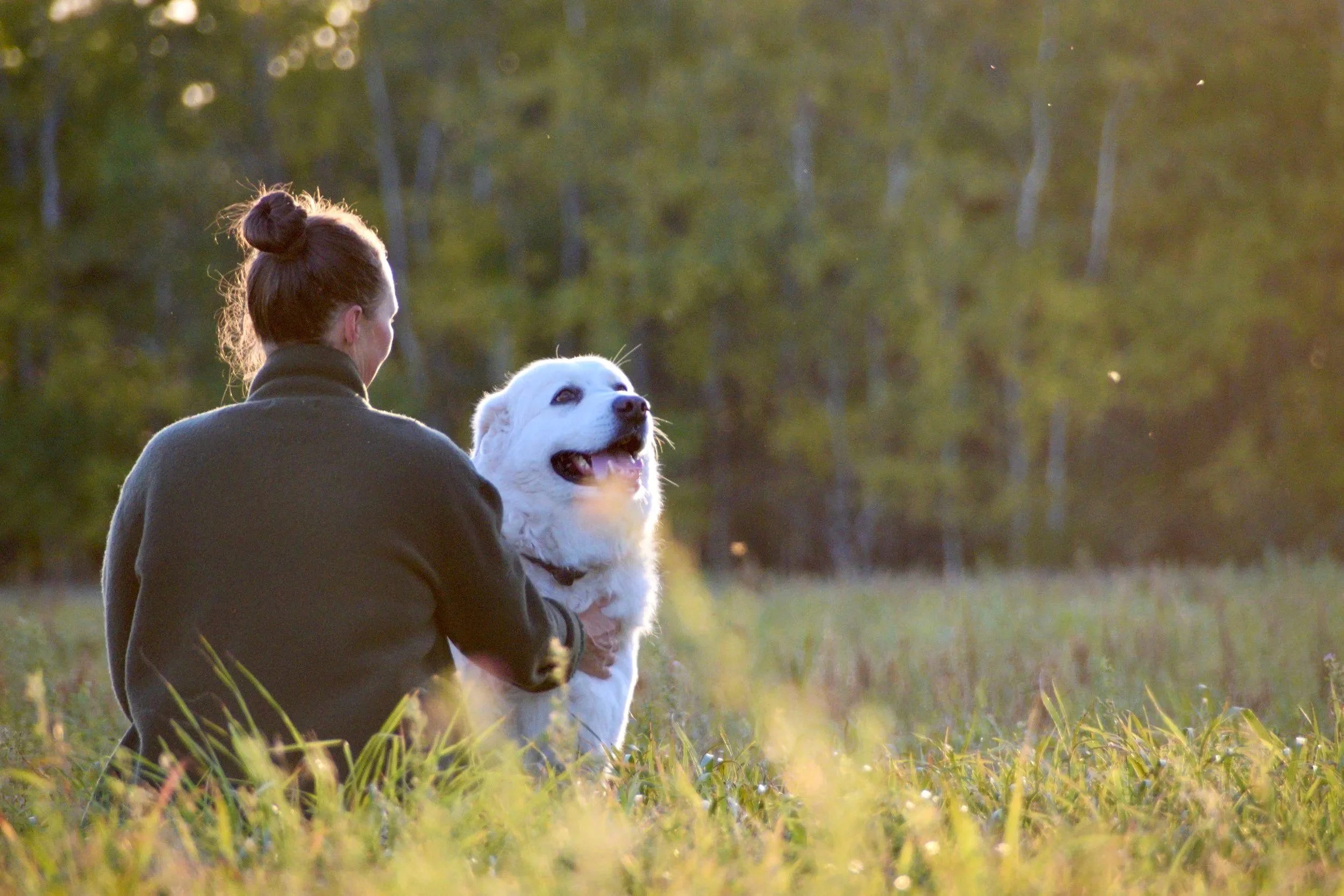
You don’t need to leave an animal communication session thinking, “I fully believe this is real” to gain meaningful insights. Much of the value comes simply from the experience itself.
Even without certainty, sessions can help you:
Gain new perspectives on your animal.
You may notice aspects of their personality, preferences, or behaviors that weren’t obvious before. These fresh insights deepen your understanding and appreciation of who they are and can guide how you interact or care for them each day.
Cultivate attunement and empathy.
Listening without judgment encourages you to consider your animal’s perspective. Over time, this practice sharpens your sensitivity to their moods and needs, fostering a more responsive, empathetic relationship.
Spend intentional, reflective time together.
Participating in animal communication creates space for connection, no matter your level of belief. Even brief moments of focused attention can reinforce your bond, offering the joy of sharing your world with another living being.
It only takes a single insight—big or small—to shift understanding, spark curiosity, or reveal something previously unnoticed. These moments build on one another, creating a richer, more connected, and nuanced relationship. You don’t have to be a believer to experience the rewards of this process.
Skepticism Encourages You to Connect Directly
Rather than relying solely on someone else’s interpretation, skepticism invites you to engage actively with your animal. When doubt arises, it sparks curiosity and encourages you to observe, experiment, and notice details firsthand—developing your own communication skills in the process.
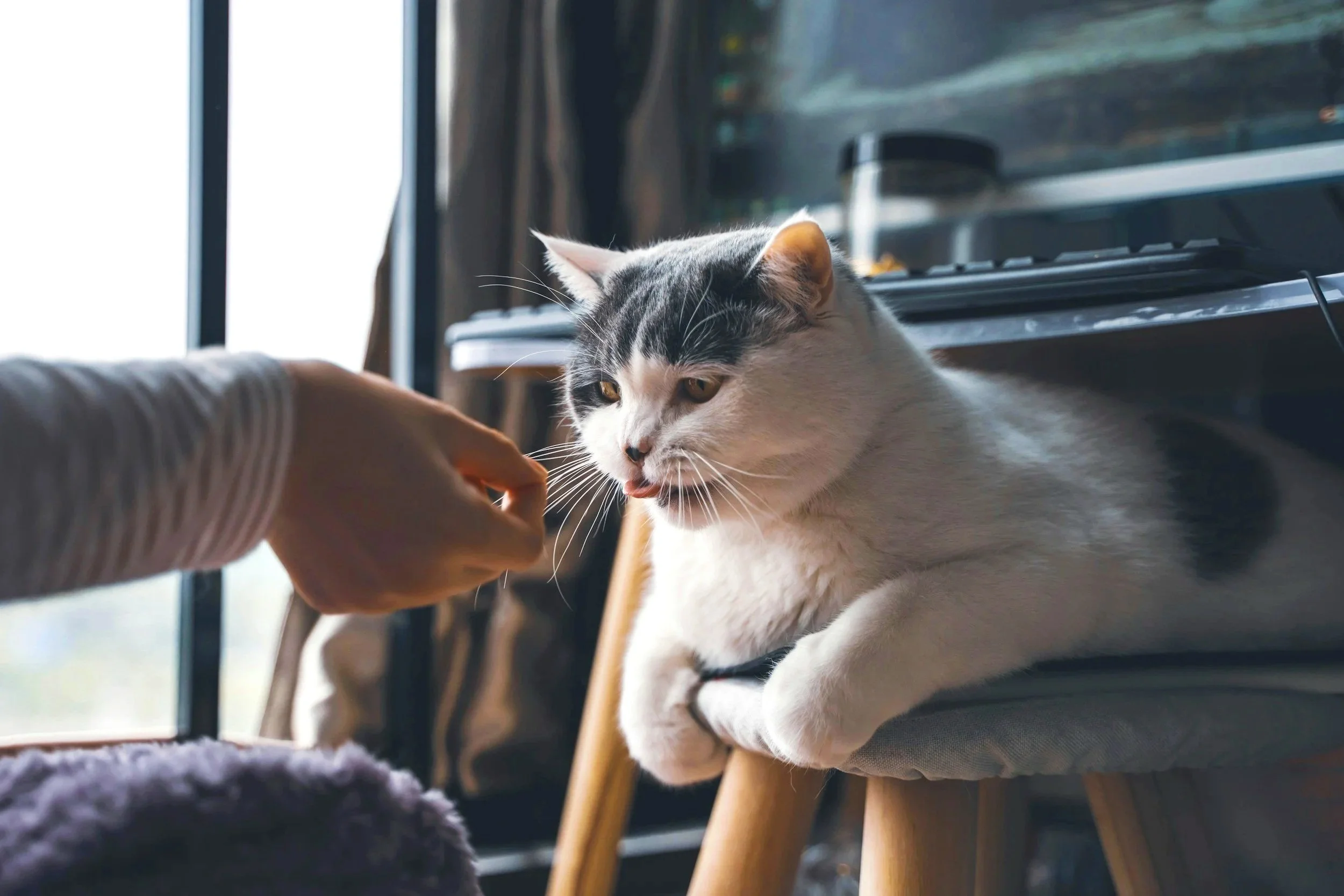
For example, imagine a communicator tells you that your cat prefers napping in the sun. Skepticism might prompt you to watch your cat more closely. You notice nuanced behaviors, such as how your cat circles their chosen spot before settling or how they respond to light and warmth. Your observations lead you to ask your cat directly: “If you really enjoy napping in the sun, as the communicator said, why do you consistently choose this spot over the sunnier one?” Your cat’s answer surprises you: they do indeed enjoy the sun, but they prefer the spot with less draft.
By paying attention and engaging directly, you validate the information, deepen your understanding, and refine your own communication skills. You’re not just taking someone else’s word for it—you’re learning straight from your animal, in real time.
The Special Side of Skeptical Listening
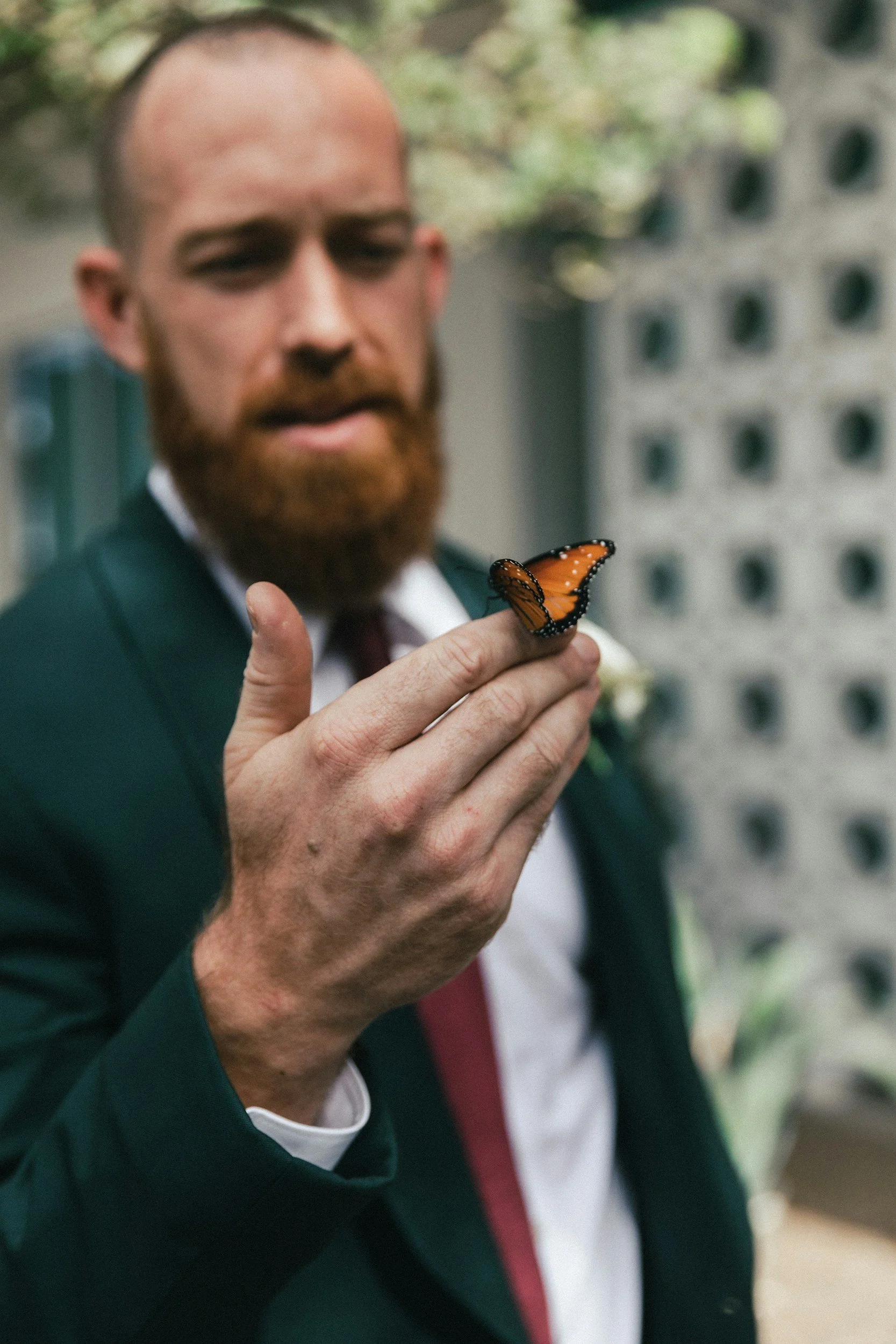
Insights from your animal can feel especially meaningful—and even astonishing—when they emerge against a backdrop of skepticism. Because you’ve approached the experience with doubt, moments of clarity often feel richer, more poignant, and surprisingly powerful. Working through skepticism to show up fully becomes a meaningful gesture in itself. The effort it takes to move past your internal roadblocks adds depth to the connection, making the insights you receive and the time you share all the more significant.
Skepticism and openness don’t cancel each other out; together, they create a fertile middle space where curiosity thrives. By allowing your doubt to coexist with receptivity, you make room for your animal’s perspective, cultivating understanding in ways that transcend immediate belief. Animals accept us as we are, and when we mirror that acceptance for ourselves, we can engage more fully and authentically. Over time, repeated experiences like these help you trust your intuition and respond with empathy. After all, connection isn’t measured by certainty, but by presence, attentiveness, and the willingness to explore together.
If you’re curious about what your animal might share, I offer animal communication sessions where we explore their perspective directly. You can enter the experience exactly as you are—skeptical, grounded, or fully open—and discover the rewards of listening beyond certainty.

Key Takeaways
Skepticism doesn’t block connection. Your doubt or disbelief doesn’t prevent your animal from sharing. Just like talking with a friend on the phone, your internal state may affect how you experience the conversation, but it won’t jam the line.
You can benefit without full belief. You don’t need to “buy in” completely to gain meaningful insights. Simply participating with curiosity and attention deepens understanding, strengthens your bond, and provides new perspectives on your animal’s personality, preferences, and behaviors.
Skepticism can enhance your engagement. Questioning and observing actively encourages you to connect directly with your animal, notice subtleties, and refine your own communication skills—learning straight from your animal in real time.
Animals accept us as we are. When we mirror that acceptance for ourselves—allowing skepticism to coexist with openness—we create space for authentic engagement and a deeper, more attuned relationship.
Presence matters more than certainty. Connection is measured by your attentiveness, willingness to explore, and the quality of shared moments—not by whether you fully believe in the process.
Repeated experiences build confidence. Over time, listening and observing strengthen intuition, sharpen empathy, and foster a richer, more nuanced understanding of your animal.