

Have you been thinking about scheduling an animal communication session? Maybe you’ve noticed changes in your pet’s mood, behavior, or energy that you’d love to better understand. It could be that there’s something happening with your animal that you haven’t quite been able to put your finger on, but you can feel it crouching there, waiting to be discovered. Or perhaps the idea of consulting an animal communicator keeps popping into your mind, again and again, for no apparent reason, as you serendipitously encounter more and more posts or articles about animal communication. It’s almost as if someone is guiding you toward a session where you can explore it. Most likely, that someone shares the same name as your beloved animal.
Animal communicators help pet parents connect with their animals on a deeper level. By listening telepathically to what your pet wants to share and conveying that information back to you, they offer insight into your animal’s thoughts, feelings, and needs. This connection can help you understand your pet more fully—and strengthen your relationship in ways that everyday observation sometimes misses.
If you’ve been wondering whether a session could help, trust that there’s a reason for that. And that reason is likely your pet inviting you to connect. Here are seven signs it might be time to reach out.
Sign #1: You Feel Something but Can’t Quite Put It Into Words
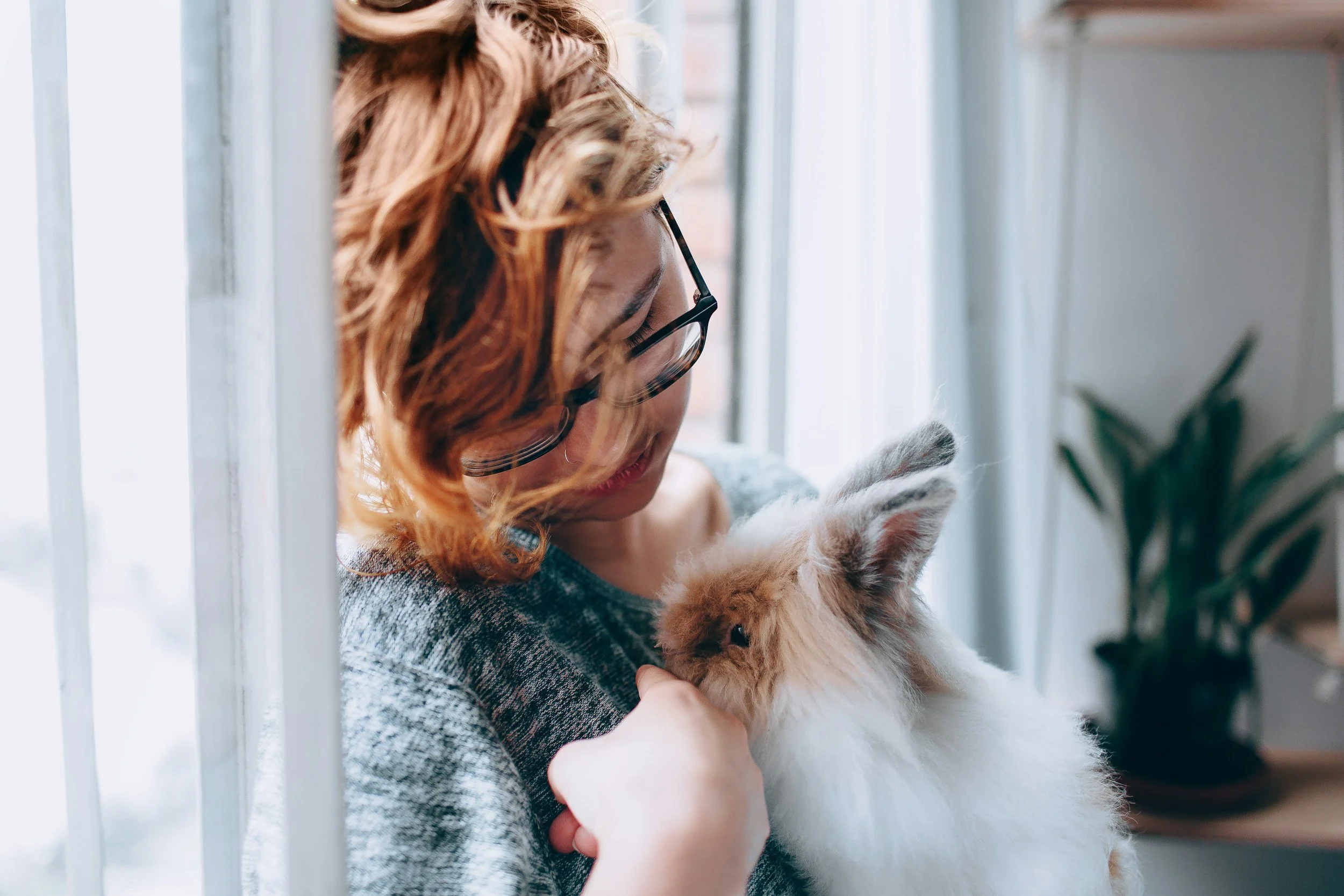
You sense that your pet wants to tell you something…but you’re unsure what. Maybe your cat stares at you with an intensity that feels urgent. You know he is trying to convey a message, yet you can’t quite decipher it. Perhaps your ferret acts more erratically than usual, as if she’s working to capture your attention for a reason you haven’t yet identified. Sometimes nothing seems outwardly different at all, yet you carry a persistent sense that your pet has something they want to share with you.
That awareness often reflects your animal reaching toward you. Animals often begin communicating, and humans begin listening, even before we consciously realize it. What feels like curiosity or intuition to us often begins as our animal inviting connection. Because animals communicate telepathically in ways humans have been taught to overlook or dismiss, their messages can feel mysterious or hard to interpret. You sense their effort and know that something is there, yet its meaning remains just out of reach.
That lingering sense often signals that your animal has opened the door to deeper conversation. Scheduling an animal communication session allows you to accept that invitation and hear what your animal has been trying to share.

Sign #2: You Feel Uncertain, Overwhelmed, or Too Emotionally Involved
Sometimes you already sense what your animal wants you to know. You feel it in your gut. Yet even with that awareness, you may long for confirmation or reassurance. You notice something feels off, but struggle to see the situation clearly. Perhaps you worry about your pet’s wellbeing or feel anxious about what the future holds. Maybe the pressure of making a decision involving your pet feels overwhelming because you don’t want to misinterpret their desires. Your instincts speak, but your heart feels too involved to fully trust what you hear.
An interesting dynamic often appears in animal communication: many people find it easier to communicate with other people’s animals than with their own. Emotional closeness adds layers of hope, fear, grief, and responsibility that can complicate perception. When strong feelings enter the picture, distinguishing communication from personal emotion becomes much harder.
Furthermore, life itself can add additional layers. You may be juggling multiple responsibilities, commitments, or household stresses that make it hard to create space for your animal’s messages. In these moments, your pet can unintentionally get “lost in the shuffle.” Conflicts between pets, major decisions like surgery, relocation, or introducing a new animal, and general emotional overwhelm in the household can intensify that uncertainty. Having additional support through an animal communication session can cut through the noise and illuminate what your animal considers important, helping you discover how to support them even when you feel overwhelmed.
Even experienced animal communicators sometimes need outside support. I experienced this firsthand after an unexpected and tragic loss of a beloved cat. Although at that point I had been studying animal communication for some time, the emotional weight of the situation made it nearly impossible to remain objective. Seeking the perspectives of other communicators, who were able to connect directly with my cat, brought clarity and comfort during an intensely difficult experience.
An animal communication session offers compassionate support during these moments. Many pet parents seek sessions to:
confirm something they already sense their animal is trying to communicate
receive reassurance by hearing their animal’s perspective when feeling overwhelmed
gain clarity about their animal’s point of view when facing emotionally charged decisions
offer a dedicated space for their animal to share their perspective when life makes it hard to focus
understand how their animal experiences a challenging situation
For example, you might suspect your older dog feels uneasy about a new puppy in the home. While you’re excited about the new arrival, you also care deeply for your older dog and want to ensure their comfort. This confluence of emotions makes it hard to tell whether your sense of unease reflects your dog’s feelings or your own. A session can illuminate your animal’s perspective and help you move forward with confidence and peace of mind.
Sign #3: You’re Curious About Animal Communication
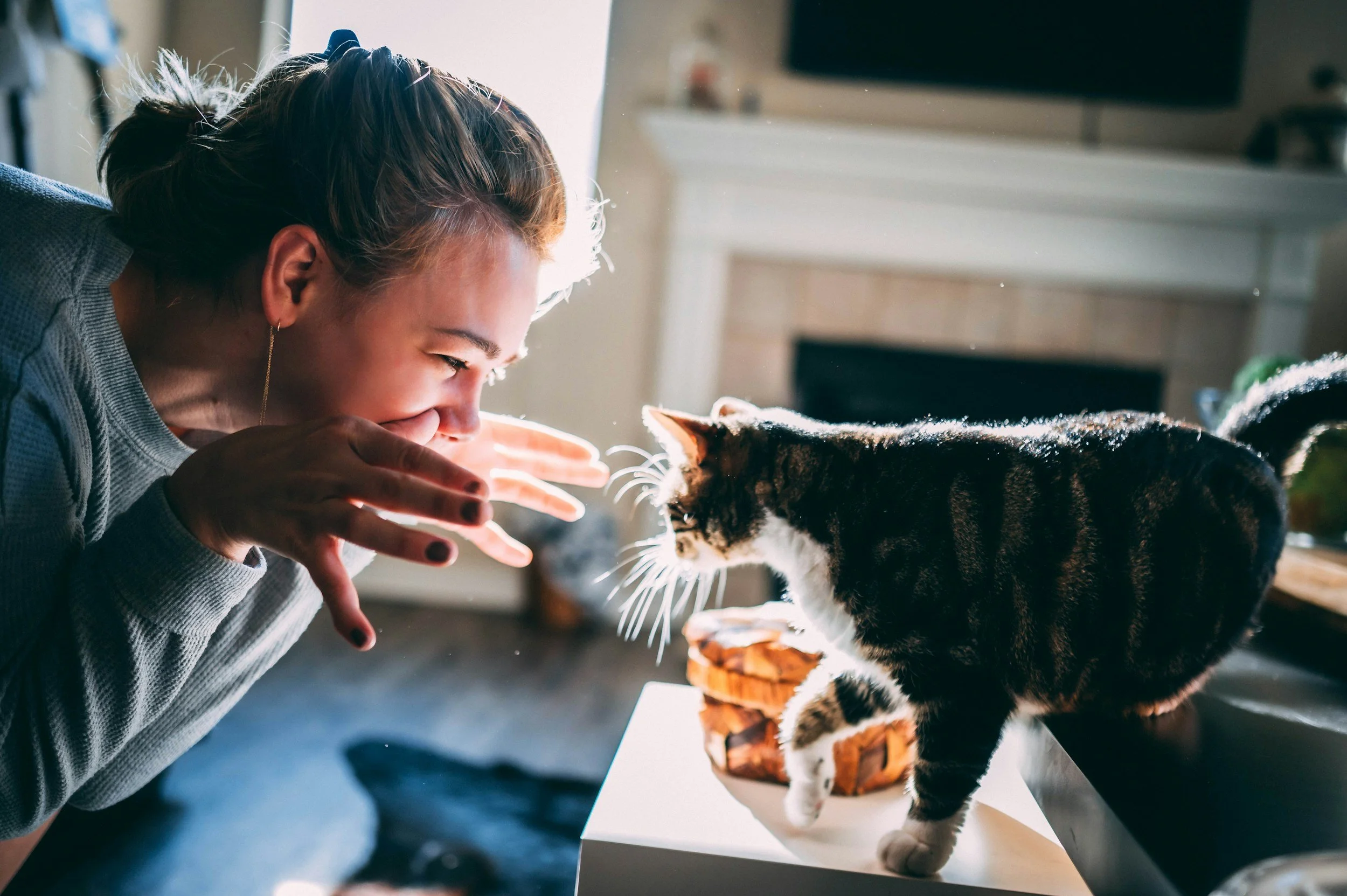
Sometimes, nothing seems “off” with your pet, and yet the idea of animal communication keeps returning to your mind. You might notice yourself lingering on articles about animal communication, feeling unexpectedly fascinated when the topic comes up, or repeatedly encountering conversations, videos, or posts about it. The thought repeatedly arises: What would my animal say if we had a session?
Curiosity alone can be a powerful reason to explore animal communication. Animals often guide their people toward deeper connection without a clear or urgent reason. Rather than responding to a problem, you may feel you’re being invited to understand your animal in a new way.
Perhaps you want to explore your intuitive abilities, deepen your relationship with animals, or simply connect more fully with the natural world. Maybe you are drawn to the idea of communing with animals purely to learn more about yourself and your animal.
A session doesn’t require a crisis or behavioral issue. Many pet parents pursue animal communication out of curiosity, openness, and a desire for connection. Often, that curiosity itself reflects your animal’s encouragement to reach out.

Sign #4: You Want to Strengthen Your Relationship With Your Animal
Similarly, reaching out can sometimes be propelled purely by your love for your animal and your desire to strengthen your connection. You may feel grateful for the relationship you already share and wonder what else exists beneath the surface—what your animal enjoys most, how they experience your time together, or what makes them feel especially connected to you.
Animal communication invites you to experience life from your animal’s perspective. Through a session, you may discover how they interpret everyday moments, what comforts or excites them, and what truly brings them a sense of happiness and connection within your shared life. Some pet parents come with open-ended questions such as, What makes you happiest? or What do you wish I understood about you? Others arrive with more specific curiosities, such as why your dog sometimes seeks closeness and other times prefers space, or why your horse relaxes during certain routines more than others. These conversations offer an opportunity to understand your animal more deeply and to experience the world through their eyes.
A session creates space for these conversations, allowing your animal’s individuality to be recognized while strengthening mutual understanding and connection.

Sign #5: You Notice Behavioral or Emotional Changes
Living with an animal means we learn with their habits, mannerisms, and ways of expressing themselves. That makes pet parents often the first to notice when something is different. Your animal might suddenly seek more affection, explore new spaces, or show excitement for activities they usually ignore. Or, they might appear more withdrawn, clingy, or fearful—or engage in repetitive behaviors like pacing or over-grooming. For example, your dog may hide when visitors arrive, even though they used to greet guests warmly, or your cat may unexpectedly begin exploring new areas of the home, signaling curiosity or a desire for adventure.
Noticing behavioral or emotional changes is always a sign it’s a good time to check in with your animal. Just as we’d want someone to notice when our moods or habits change, our animals appreciate when we recognize theirs.

Sign #6: You Observe Health or Physical Signals
Whether you notice something new or unusual in your animal’s physical status, or have questions about an ongoing health concern, an animal communication session can help you understand what they’re experiencing and discover ways to best support their wellness.
For example, imagine your rabbit has watery stools. You take them to the vet, and after an exam and some tests, the vet confirms your rabbit appears healthy and recommends focusing on a balanced diet. Through communication, you learn they’d like to focus on fiber intake, with a variety that includes oat hay, timothy hay, and fresh leafy greens such as carrot tops. Once you adjust their diet to include these foods, you notice their digestion stabilizing and your rabbit becoming more comfortable and relaxed.
Animal communication provides insight into your animal’s physical experiences and preferences, helping you respond in ways that support their wellbeing. While it doesn’t replace medical care, it can be a powerful complement, helping you notice changes early, clarify what supports their health, and ensure they feel seen and understood.

Sign #7: You and Your Pet Are Navigating Change Together
Change is a natural and inevitable part of life, and these transitions rarely affect only one member of a relationship. Moves, schedule shifts, new relationships, illness, loss, travel, or even environmental changes continually reshape the dynamics of the lives we share with our animals. When your life shifts, your animal’s experience shifts too. You might feel excitement about a new opportunity while your animal feels uncertainty about altered routines or increased absence. Both experiences can exist at the same time.
When change disrupts the familiar patterns we rely on for stability, even positive transitions can require adjustment. A new home, for example, alters scent maps and spatial memory. A new work schedule changes daily connection points. The arrival or departure of a family member can reorganize the emotional landscape of the household.
Even the smallest changes can create ripple effects. Because change can be so impactful, it’s helpful to check in with your animal whenever transitions occur. Whether or not they seem outwardly affected, your attention and care during these periods can make a meaningful difference.
When Your Animal Invites Connection
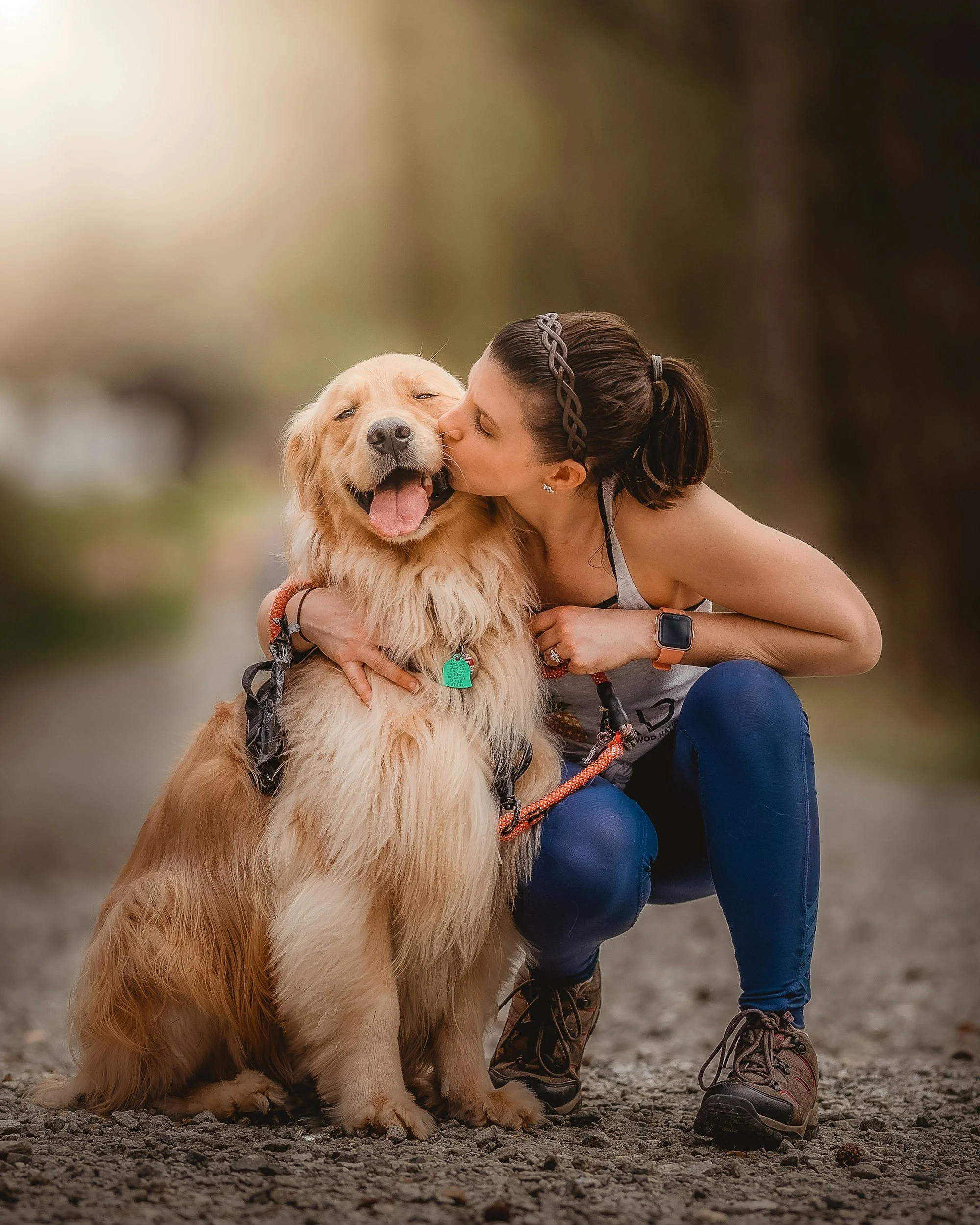
Animal communication offers an opportunity to understand your pet from their own perspective. If you’ve been wondering whether it’s the right time to schedule a session, it probably is. Often, the desire to connect arises when an animal is already inviting that communication.
To explore this, you could even ask your animal directly whether they would like a session. Try asking, “Would you like me to schedule an animal communication session?” Then allow space for whatever comes to mind. You might receive a clear yes or no, a feeling of openness, an image, or a sense that your animal is already communicating with you in everyday moments. Sometimes animals simply want more intentional time together or acknowledgment that you are listening.
At its heart, animal communication is about relationship. It grows from love, curiosity, and the desire to understand one another more fully. When you choose to listen, you affirm that your animal’s voice matters.
Sometimes the clearest sign that it’s time for a session is simple: you’re here, reading this, wondering if it might help. You feel called to listen. And if that thought keeps returning, it may already be the beginning of a conversation your animal is inviting you to have.
If one or more of these seven signs feels familiar, your pet may be inviting you to connect. Consider scheduling an animal communication session to hear what they want to share.

Key Takeaways
Animal communication helps you better understand your pet.
A session can offer insight into your animal’s thoughts, feelings, and needs while supporting a stronger, more connected relationship.Trust the nudge to listen.
If you sense your pet is trying to communicate but you cannot quite put it into words, that may be a sign it is time to listen more intentionally.Emotional overwhelm can make it harder to hear clearly.
When you feel worried, uncertain, or deeply involved in a situation, an animal communication session can provide support, reassurance, and perspective.You do not need a crisis to schedule a session.
Curiosity, openness, and a desire to know your animal better are all valid reasons to reach out.Love and connection are reason enough to listen.
Many sessions begin simply because a pet parent wants to strengthen their bond and better understand their animal’s unique experience.Behavioral or emotional changes are worth paying attention to.
Shifts in mood, habits, energy, or routines can be an invitation to check in and better understand what your animal may be experiencing.Physical changes can also be a time to seek deeper insight.
Animal communication can complement veterinary care by helping you better understand your animal’s comfort, preferences, and overall wellbeing.Life transitions affect animals too.
Moves, schedule changes, new family members, illness, loss, or travel can all impact your pet’s experience and create an important opportunity for communication.If you feel your animal is trying to tell you something, they probably are.
If the idea of scheduling a session keeps returning, that pull itself may be part of the conversation beginning between you and your animal.