
From Hisses to Harmony: Helping Your Cat Adjust to a New Feline Companion
By Alonna Donovan, Animal Communicator at Critter Chatter Animal Communication Services
Please note: I am not a veterinarian or animal behaviorist. This information is for entertainment purposes only and is not meant to replace professional medical or behavioral care.

Before you brought your new cat home, you probably pictured what life with another cat would be like. In that vision, happy humans relaxed in a peaceful home while two (or more) content cats shared space with ease. You imagined them lounging together in the same sunbeam, playing harmoniously, maybe even cuddling: a picture of quiet, companionate bliss.
Then your new cat arrived — and reality hit.
Instead of loving nose touches, the cats hissed, swatted, or squared off from across the room. Instead of cozy naps together, they kept their distance. Instead of calm smiles, humans looked on with furrowed brows and racing hearts as they tried to make sense of the chaos.
For many cat guardians, integrating a new cat quickly becomes stressful, confusing, and emotionally taxing. You might wonder if you made a mistake, worry about the cat’s happiness, or feel anxious as you watch tense interactions unfold. You might even feel pressure from yourself, well-meaning friends, or advice you’ve read to make things “work” right away.
Yet, from the cats’ perspective, bringing a new cat home involves more than simply adding another animal. It triggers a complete reshuffling of their world, prompting all animals involved to actively reorganize environmental structures. Territory shifts. Routines adjust. Roles, resources, and emotional energy redistribute. The home’s entire ecosystem must recalibrate.
For cats, integration doesn’t happen in a single moment. They build it relationally and energetically, and this takes time. While humans often hope things will smooth out quickly, cats face real work ahead of them as they assess safety, renegotiate boundaries, and learn how to coexist in a changed environment.
During this adjustment, pressing cats to meet human expectations often backfires. They benefit far more from our patience and emotional steadiness. They thrive when we offer calm support, space, and trust, and accept that they must follow their own timeline.
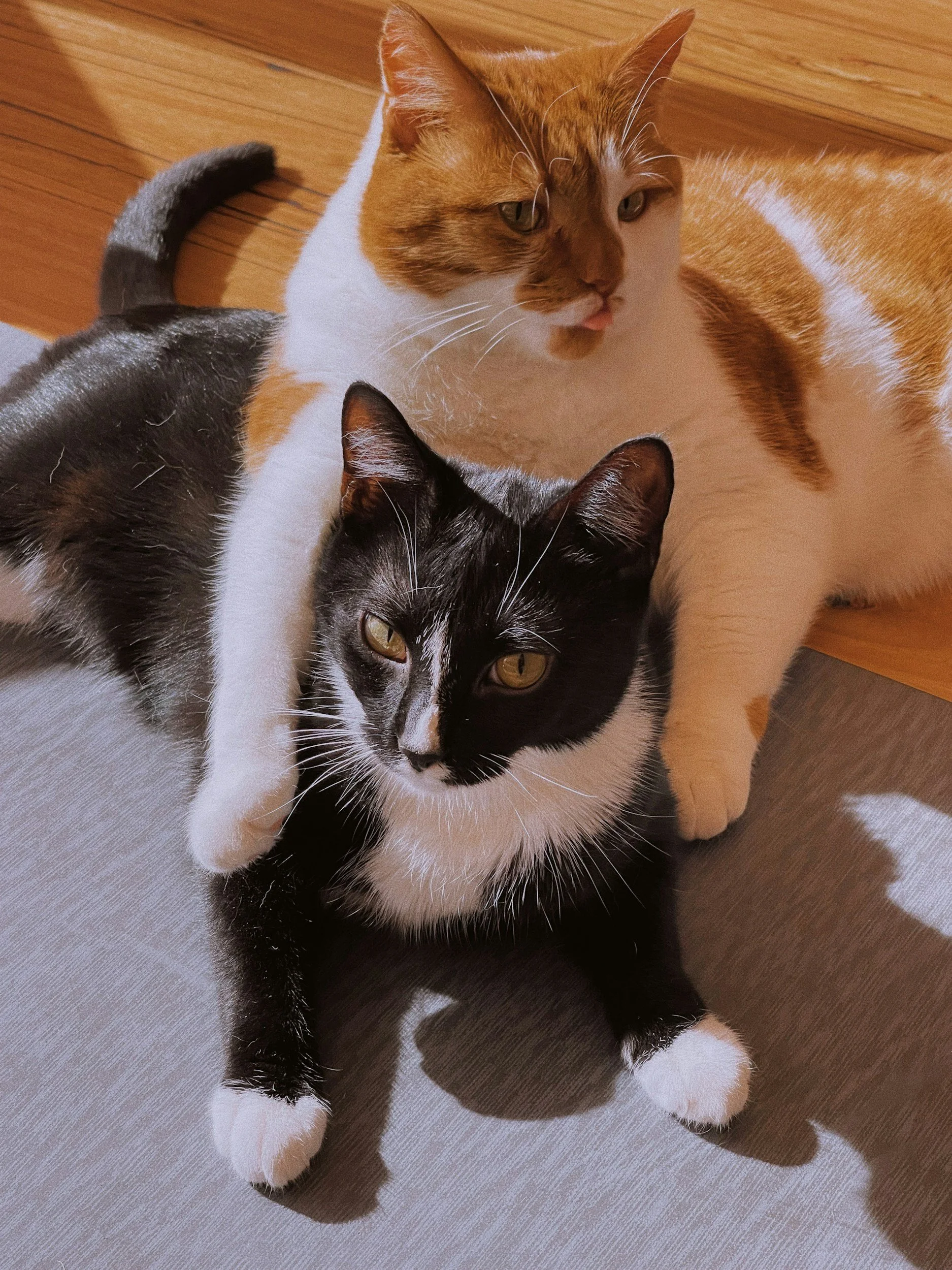
What Cats Want Humans to Know About a New Cat Joining the Family
When a new cat joins the household, all cats involved feel the shift. As sentient beings with their own experiences and emotions, they have much to share about what this change feels like from their perspective. Thankfully, humans can listen. Through telepathic animal communication, we can receive their messages as images, feelings, visualizations, and ideas — offering insight into what they are thinking and experiencing throughout the integration process.
Each cat is unique, so checking in with them individually provides far more accurate and effective insight than making assumptions. Cats possess distinct personalities, roles within the household, and ways of responding to change. What works for one may not work for another, which makes careful listening the key to understanding their needs.
When we invite cats to share their experience of adjusting to a new companion, they typically provide important context — a window into how they perceive the changes around them. Once we grasp this context, we can more clearly identify steps we can take to support them. Cats also generally express eagerness to offer guidance and suggestions, not only for helping themselves, but also for assisting their humans in navigating the situation.
Although the most accurate guidance will always come directly from your own cats, certain themes consistently emerge from the collective experience of cats in these situations. These common messages may provide a helpful starting point for exploring your own cats’ feelings, experiences, and needs during a new cat’s adjustment period.
“We Don’t Just Meet Newcomers Physically. We Also Meet Them Energetically.”
When it comes to cats assessing other cats, much of what happens between them occurs on an energetic, intuitive level—possibly even before any physical meeting takes place. In many cases, cats have already interacted with the newcomer energetically, sensing temperament, boundaries, and compatibility. Sometimes, cats even play a role in coordinating which new companion will join the family, ensuring that the arrival aligns with the household’s needs and energy.
It’s also possible that the cats have shared a past life in another form or have had experiences together previously, carrying a sense of familiarity into this relationship. These energetic connections shape first impressions, influence comfort levels, and guide how the integration unfolds.
When the new cat is physically introduced, there is far more happening than can be observed behaviorally. Cats are continuously asking questions like:
Does this newcomer respect my boundaries?
How do they influence the emotional climate of the home?
Do I feel safe sharing space with them?
How will my role in this household shift?
Even behaviors that seem random or tense—pacing, staring, or cautious sniffing—often convey assessments of trust, curiosity, and safety. Cats may be gauging whether the newcomer will honor their needs, whether they can coexist peacefully, and how much energy to invest in the relationship.
For cats, integration involves a negotiation of energy, roles, and trust. Humans often see only the surface: hisses, swats, or avoidance. But underneath, a rich dialogue is unfolding. When we understand this, we can appreciate that cats are working actively and thoughtfully to establish harmony—not merely reacting impulsively.
“Safety Comes First”
For most cats, safety provides the essential foundation for building any meaningful relationship between them. In order for trust, tolerance, or curiosity to develop, a cat needs to feel that their basic sense of security remains intact.
This applies both to the environment as well as to the beings involved: the home must feel safe and predictable, and each cat needs to know that the other poses no immediate threat.
For the established cat, a newcomer can disrupt everything familiar—their space, routines, access to humans, and sense of predictability. During this adjustment, they often focus on:
Protecting territory
Maintaining reliable access to food, litter boxes, and favorite spots
Confirming that nothing essential has been taken away
They may display heightened vigilance, patrol spaces, or assert boundaries before feeling comfortable with the newcomer.
The new cat faces a very different challenge: everything is unfamiliar. They need time to ensure that the environment, humans, and other animals pose no threat. Their focus often includes:
Exploring the surroundings to build familiarity
Observing household dynamics
Testing boundaries carefully
For them, this process may involve moving slowly, retreating frequently, or watching closely before feeling comfortable and confident in their new space.
Think of your own friendships: trust grows in safe spaces, while fear or uncertainty blocks connection. Cats work the same way. Once safety is established, friendship, tolerance, and curiosity naturally become more apparent—layer by layer.
Safety lays the groundwork, unlocking the possibility for trust and meaningful relationships to flourish.
“Our Relationship Will Find Its Own Shape.”
Not every pair of cats is meant to cuddle. Some are meant to coexist peacefully. Some grow into companionship slowly, over months or even years. Others simply arrive at mutual respect. And some cats may continue to be at odds with one another throughout the course of their lives together. Even then, they may still be participating in a relationship that holds meaning from their perspective.
When a relationship doesn’t match the coveted image of cats curled up together, it doesn’t mean one or both of them are a poor fit for the family. Each cat enters a household with their own temperament, role, and way of contributing to the family system. They work alongside us in different ways, bringing distinct qualities, lessons, and forms of support. Not every personality is meant for the same kind of connection.
At times, two cats who seem incompatible on the surface may actually be fulfilling something essential within the household, even if that purpose isn’t immediately clear to us. Cats invite humans to release attachment to a specific outcome and to trust the unfolding process. There are lessons to be learned in friction just as surely as there are in cohesion.
“We Have Our Own Perspective”
Just as humans bring their own interpretations, expectations, and emotional lenses to a situation, each cat experiences the integration process from a distinct point of view. During periods of change, cats pay especially close attention to access, predictability, and how resources are distributed. What feels logical or supportive to a human may land very differently for the cats involved—meaning even well-intentioned choices can carry unintended meaning.
For example, a human might buy brand-new bowls, beds, or toys for the incoming cat. From a human perspective, this feels practical and considerate: the established cat already has familiar belongings, and the newcomer needs their own. For one established cat, however, this may register as Why does the newcomer get the better things before earning their place?—especially during a time when their sense of status and security already feels unsettled. For another established cat, the opposite may be true. That cat might feel threatened if their existing items were shared or reassigned, interpreting it as a loss of ownership or stability. The same situation can carry two very different meanings. This is why there are no universal rules—only individual experiences worth listening to.
Space can hold similar complexity. A new cat may be sequestered in a separate room to support a gradual introduction. While this can be a thoughtful and necessary step, one established cat may perceive it as unfair privilege: Why does the newcomer have exclusive access to a space I can’t enter? Another cat may feel relieved by the added distance and appreciate the buffer. Context and temperament matter.
Other seemingly small shifts—food routines, human attention, or household logistics—can also take on outsized meaning during integration. Extra treats, changes in feeding order, altered attention patterns, or relocated litter boxes may feel practical to humans, yet signal changes in priority, access, or safety to some cats. Others may barely register them at all. Each cat reads the situation through their own lens.
This is why listening matters so much. Rather than assuming how a cat should feel, integration asks us to get curious about how it actually feels to them. Small adjustments—redistributing resources more evenly, restoring familiar routines, or simply acknowledging a cat’s discomfort—can dramatically change how a situation lands.
Integration tends to unfold more smoothly when we remember there isn’t a single, objective version of events happening in the home. Multiple lived experiences exist side by side. When we honor those perspectives, we move out of problem-solving mode and into relationship—where trust has room to grow.
“We Are Always Communicating.”
When multiple cats adjust to the arrival of a new companion, they have much to share about how the change affects them. Humans often focus primarily on body language and behavior for clues, yet relying on those signals alone can leave important information unnoticed. It’s a bit like watching a television show with the sound turned off—you may catch some of what’s happening, but key nuances and the deeper storyline are easy to miss.
In addition to physical cues, cats communicate telepathically, exchanging information, emotions, and impressions with one another and with their humans. These messages may come through as thoughts, images, emotions, or sensations. Whether or not humans consciously recognize this exchange, cats continue sharing how the integration feels from their perspective.
Slowing down and listening beyond surface behavior opens the door to a fuller understanding of what the cats are experiencing, what they need, and how best to support them through this transition.
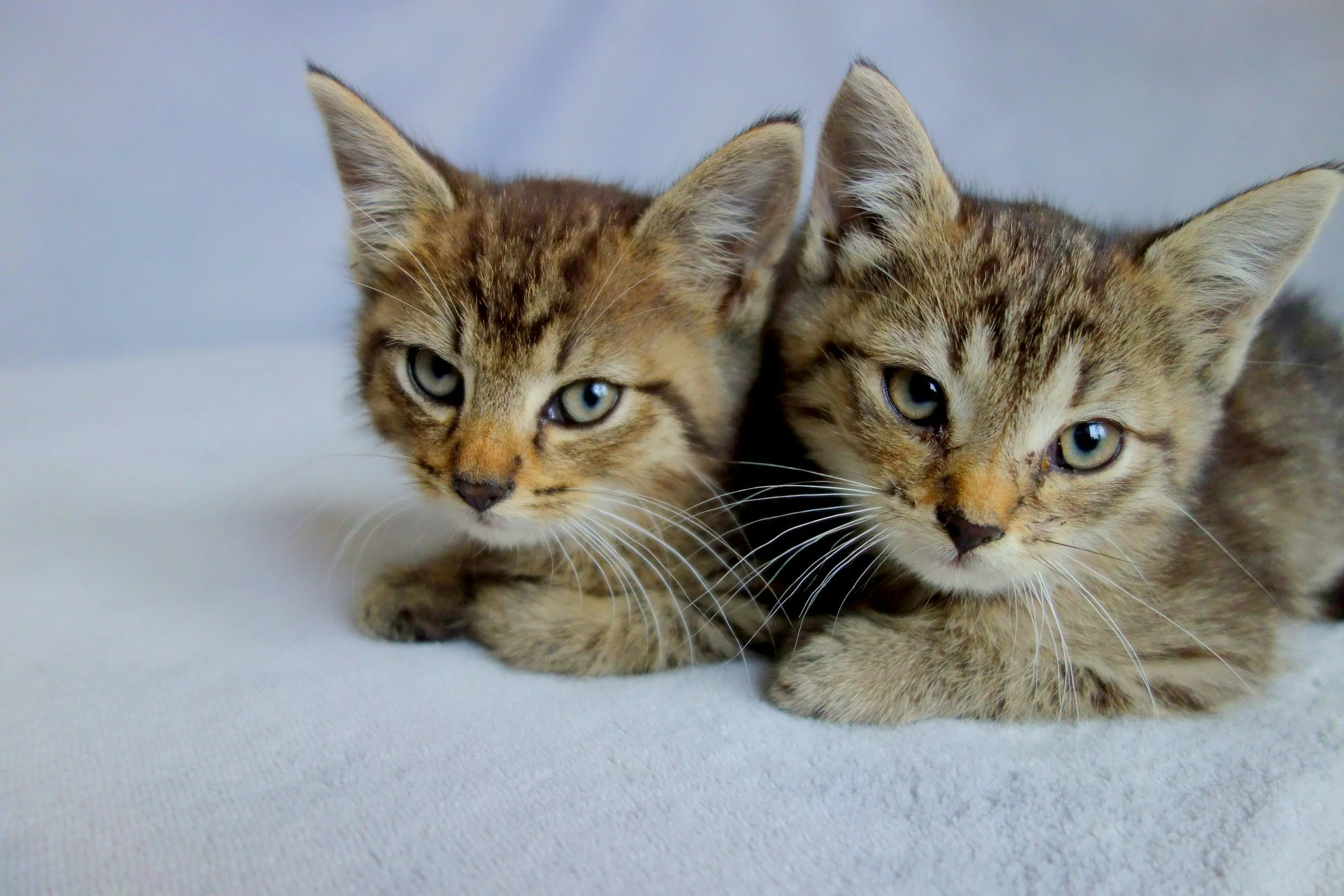
What Cats Ask of Humans
When a new cat joins the household, the focus often falls on managing their behavior, guiding interactions, and striving for harmony. From the human perspective, it’s tempting to want to control outcomes and smooth the path for everyone involved. But cats navigate new arrivals on their own terms, at their own pace, and with their own perspective on safety, boundaries, and social dynamics.
Rather than trying to direct or micromanage them, the most supportive approach is to listen, observe, and adjust your expectations. Through careful attention, we can begin to understand what cats truly need during this adjustment period.
Cats generously offer guidance when we ask what helps them most. While the only way to truly know your cats’ needs is by checking in with them directly, it can be helpful to hear some common requests that often emerge during integration.
“Please Don’t Rush Us.”
As humans, we tend to avoid discomfort. We often want to skip ahead to the part where everything works out and everyone gets along, so we don’t have to sit with tension, second-guess our decision to bring in a new cat, or wonder whether things will ever truly settle. If we’re being honest, many of us secretly hope we can place a new cat into the household and have everyone become instant friends. When that doesn’t happen, stress can quickly take hold.
Some cats do bond right away. For others, adjustment unfolds gradually rather than through dramatic breakthroughs. Much of the most important work happens beneath the surface: nervous systems settle, information is gathered, and boundaries are tested and respected. What begins as frequent spats slowly diminishes—ten in a week becomes eight, then fewer still.
From the cats’ perspective, humans often want the process to move too quickly and conform to a particular vision of progress. But cats measure success differently: they aren’t concerned with speed or even whether they become friends at all. They take the time they need to establish boundaries, understand one another, acclimate to a new environment, and redefine roles within the household. A slow process doesn’t mean progress isn’t happening. Time allows nervous systems to recalibrate, patterns to form, and trust to build—layer by layer.
When cats communicate about the arrival of a new companion, they often ask, “Please slow down. Please don’t rush us or pressure us to behave a certain way. Notice us—and listen to what this process feels like from our side.”
Even at the cats’ pace, remember that this adjustment period is temporary. It provides a chance to practice patience, flexibility, and emotional regulation—not only for their benefit, but for yours as well.
“Please Stop Trying to Manage Our Feelings”
Cats recognize that humans have emotions about integration, but they want us to understand that this doesn’t give permission to project those feelings onto them. As autonomous beings, they have their own experiences, preferences, and reactions. Just as we often dislike being told how to feel, cats feel the same way.
They generally do not want forced bonding, pressure to share space or attention, or humans micromanaging their behavior. What they do want is acknowledgment that they are processing the situation on their own terms. Their feelings and boundaries deserve respect—not override.
“Please Honor Our Autonomy”
In a similar vein, cats also seek autonomy in how they navigate their environment and relationships. Their sense of safety comes from having choice, where they determine whether to approach or retreat, to observe from a distance, or to engage on their own schedule.
Cats ask guardians to:
Allow distance without judgment
Respect signals, even subtle ones
Avoid forcing interactions “for their own good”
Choice fosters trust far more effectively than reassurance alone. When cats feel respected, they can relax and settle. When they feel controlled—even with good intentions—stress and tension rise.
“Please Communicate with Us”
Cats love it when we pause and check in with them about how they’re feeling. Even asking, “How’s this new setup for you?” can make a meaningful difference. Small efforts to understand their perspective go a long way. They notice when we try, even if we struggle to understand the messages they send us.
Think back to a time when someone made a genuine effort to understand your perspective during a tricky situation. How did that feel? Most likely, simply knowing someone cared enough to listen made you feel seen, acknowledged, and a little lighter. Cats experience the same reassurance. Your curiosity, patience, and attention help them navigate change and remind them that you’re on their side—even when the household feels a little chaotic.

Practical Ways to Support Your Cats Through the Adjustment
Introducing a new cat shifts the entire household dynamic, and each cat—and human—experiences the change in their own way. Every family handles it differently, so there’s no single “right” approach. That said, the following strategies can help reduce stress, build trust, and support healthy relationships for everyone in your home.
These practices focus on creating a calm, flexible, and attentive environment, prioritizing each cat’s space, autonomy, and reassurance while helping you stay grounded and responsive throughout the adjustment process.
1. Release Pressure and Expectations
Even well-intentioned hopes and expectations can unintentionally create stress for cats. When they sense pressure to behave a certain way, share space, bond, or “get along,” tension rises for everyone in the household.
Giving cats freedom to navigate the situation on their own terms allows them to figure things out in the way that works best for them. Let go of the idea that they “should” act a certain way, that there is a “right” timeline, or that a specific relationship “must” form. Releasing human judgments and expectations goes a long way toward creating a calmer, more harmonious environment.
Trust the process, trust your cats, and let them work out their relationships in their own way.
2. Practice Flexibility As Roles Reorganize
When a new cat enters the household, the entire system shifts. Cats naturally take on roles within the home, and those roles must be renegotiated when a newcomer arrives. While the new cat figures out their place in the household, the pre-established cat may be learning to adapt, share resources, or explore a new sense of identity within the family. Humans are affected as well, often adjusting their own routines, expectations, and ways of interacting with each cat.
A helpful way to understand this process is through Bruce Tuckman’s model of group development, summarized as forming, storming, norming, and performing:
Forming: The group (your household) comes together with the new cat’s arrival. Everyone is assessing boundaries, learning signals, and exploring new dynamics.
Storming: Conflicts and tension naturally arise as roles are tested and personalities clash. The cats might hiss and swat, while the humans debate how to respond.
Norming: Cats and humans begin to settle into patterns of interaction. Boundaries are respected, roles become clearer, and the household starts to feel more predictable.
Performing: The group functions smoothly, with everyone coexisting in a balanced way. Trust has been established, routines stabilize, and relationships find their rhythm.
Understanding this framework can help guardians stay flexible as dynamics develop. Rather than a sign of failure, disruptions and conflicts are a normal, necessary part of recalibrating the household ecosystem. By giving each cat and human space to explore their role and adjusting your own expectations, you support a smoother, more resilient integration process.
3. Reframe How You View Your Cats’ Interactions
It can feel distressing when your cats seem unable to get along, especially during more intense spats. Yet what may appear alarming to humans often plays an important role in the integration process. From the cats’ perspective, hisses, swats, yowls, and growls are usually just their way of negotiating boundaries, testing limits, and figuring out roles within the household. What seems dramatic to us may actually be routine communication for them.
Cats do not usually intend to frighten us, and they respond best when we remain calm and non-reactive. While some moments may require intervention, panic, tension, or rushing in generally only adds stress and can slow the adjustment process. Before rushing in, ask: is this escalation normal negotiation, or does it truly require interference? Often, simply being present, regulated, and attentive allows them to work things out on their own.
Even in the midst of chaos, your cats are learning from one another. Every hiss and swat carries information: who needs more space, which boundaries are respected, and how their relationship is developing. From the cats’ perspective, spats are not evidence of failure, but of the relational work they are doing.
By reframing your view of these interactions, you can move from fear or frustration toward curiosity and trust. Pay attention to the lessons embedded in each moment, stay calm, and give your cats the space they need to navigate their evolving dynamic.
4. Notice the Small Wins
As humans, it’s easy to become attached to a particular vision of what “successful” integration should look like. When we focus too narrowly on that outcome, we often overlook the subtle signs of real progress. Cats invite us to widen our lens and notice moments that may seem insignificant at first glance, yet carry deep meaning from their perspective.
They ask us to pay attention to things like:
choosing to nap in the same room, even at a distance
passing one another without incident
eating calmly on opposite sides of a door or wall
moments when curiosity begins to replace vigilance
These small moments signal something essential: safety is taking root. They reflect nervous systems settling, boundaries being respected, and cats beginning to trust that they can share space without threat.
For some cat families, progress may appear in more dramatic leaps. For others, it unfolds gradually, almost imperceptibly. Learning to recognize and appreciate these nuanced changes gives you valuable insight into the direction your cats’ relationship is moving.
From the cats’ point of view, these small wins are anything but minor. They form the foundation upon which everything else is built.
5. Keep Yourself Grounded and Patient
Introducing a new cat can feel just as stressful — sometimes even more so — for humans as it does for the cats themselves. It’s natural to experience tension, worry, or impatience as you watch interactions unfold. Yet your emotional state directly influences the cats’ ability to feel safe and settle into the new dynamic. By remaining grounded and patient, you offer a source of calm that they can mirror in their own nervous systems.
Grounding involves acknowledging your feelings while intentionally returning to a state of regulation and presence. Simple practices can help: slow, steady breathing; pausing before intervening; mindfulness exercises; or stepping away briefly if emotions feel intense. By creating space to regulate your own energy, you give the cats the emotional room they need to do their work.
Patience is equally essential, as integration rarely follows a straight line. Some days may feel harmonious and calm, while others feel full of conflict. Patience helps you tolerate uncertainty, trust the process, and resist the impulse to control the situation or force change before it’s ready.
When you stay grounded, practice patience, and allow the integration to progress at its own pace, you strengthen not only the cats’ relationships with one another, but also your bond with each of them.
6. Trust The Messages From Your Cats
Most cats already communicate regularly with their guardians. The challenge for humans often lies in trusting what we receive and responding through active, reciprocal communication that invites the cat to share more. When we telepathically exchange information with both the pre-established cat and the newly introduced cat, each has the opportunity to be seen and heard in their own right.
Cats are remarkably generous with their wisdom and often offer clear insight into what would help them adjust to a new family dynamic. One of the most supportive things you can do is to stop second-guessing what you receive and begin trusting the messages that come through. You may be surprised by how far simple, attentive listening can go.
While communication can certainly lead to practical problem-solving, it’s also common for the emotional tone of the home to begin calming simply through having the conversation, without any further action needed.
7. Remember What Cats Bring Into Your Life
During moments of stress or uncertainty, it can help to take a step back and zoom out. Cats enrich our lives in ways that only they can, offering their presence, humor, companionship, and wisdom. Even the challenging moments of cat guardianship — including the stress of introducing a new cat — are moments that shape us, helping us grow into more enlightened versions of ourselves.
It’s important to remember that this period of transition, as long and arduous as it may be, is temporary. The tension you feel now will soften, giving way to the quiet delight of sharing your home with multiple feline companions. When you look back on this journey, you’ll likely feel grateful that you stayed with the process and honored it through to the other side.

When Cats Just Don’t Click: Recognizing When It’s Not a Good Fit
Sometimes, despite patience, careful introductions, and all the love in the world, a new cat simply doesn’t integrate well with an established cat. It can be painful to consider, but recognizing the difference between a normal adjustment period and a fundamental mismatch is important for everyone’s well-being — the cats’ and yours.
Signs the Struggle is Part of the Integration Process
Cats often need weeks, months, or even longer to adapt to a new companion. During this adjustment period, some degree of tension is both normal and expected. Signs that integration is moving in a healthy direction may include:
Occasional hissing or swatting that does not escalate into serious fights
Quiet observation of one another from a safe distance
Vigilance gradually giving way to curiosity
Moments of relaxed behavior in shared spaces
These behaviors indicate that the cats are negotiating boundaries and learning each other’s rhythms. Even small improvements—such as a brief glance without aggression or eating calmly on opposite sides of a door—reflect meaningful progress.
You can also check in with your cats through animal communication to ask whether you’re accurately perceiving these signs. When they confirm that the process is unfolding as it should, it can offer reassurance that the integration is on the right track and that the new cat belongs in the household.
Signs a Cat May Not Be a Long-Term Fit
If tension continues despite a thoughtful introduction process and a supportive environment, it may point to a deeper incompatibility rather than a temporary adjustment phase. Some indicators to pay attention to include:
Ongoing or escalating aggression that leads to injuries
Chronic hiding, withdrawal, or extreme fear that shows little improvement over time
Persistent stress responses such as over-grooming, loss of appetite, or elimination outside the litter box
Both cats appearing consistently tense or defensive, with few (if any) moments of curiosity, relaxation, or ease
Noticing these patterns doesn’t mean either cat is “bad” or that anyone has failed. It may simply reflect differences in temperament, energy level, or social style that make sharing a home immensely challenging for them.
When uncertainty arises, telepathically checking in with the cats themselves can offer valuable clarity. Cats usually communicate quite clearly when a situation feels untenable or unsustainable for them. Centering their voices and honoring their experiences often reveals the most compassionate path forward for everyone involved.
Next Steps and Considerations
Consult a professional: A licensed veterinarian, certified animal behaviorist or experienced cat communicator can help you assess whether the situation is temporary or more long-term.
Explore re-homing thoughtfully: If a long-term mismatch is apparent, finding a new home for one of the cats can be the most loving choice for everyone involved.
Prioritize safety and well-being: As you consider next steps, focus on creating conditions that reduce chronic stress and keep every cat emotionally and physically safe until a more permanent long term solution is found.
Cats bring immense joy, but they also have unique personalities and needs. Sometimes the kindest thing we can do is recognize when a household is not the right fit — giving each cat the opportunity to thrive in an environment that suits them.
Even when re-homing becomes the kindest option, it doesn’t mean anyone “failed.” Sometimes the purpose of the experience lies not in permanence, but in what it teaches us about listening without judgment, learning when to let go, and how to respond compassionately in ways that honor the animals’ needs rather than our original plans.
Remember: the goal isn’t forcing harmony at any cost, but to cultivate a space where every cat can feel seen, understood, and respected. Sometimes the most loving choice is the one that allows each cat to flourish in the way that suits them best—even when that path looks different from what you originally imagined.

Conclusion
Transitions rarely come easy, and introducing a new furry family member brings significant change. If you feel unsure or overwhelmed during this adjustment period, know that your feelings are real, common, and valid. Your stress reflects how much you care and desire to support both the humans and the cats in your household.
Remember: you are not alone. Your cats are already participating, communicating, and guiding you through this adjustment. Friends, family, or professionals can support you as well.
By staying present and attentive, you create the calm and space that your household needs to find its new rhythm. The most powerful shifts often begin softly, with awareness and intention. Trust that the cats are doing their part, and that patience, steadiness, and love will reveal a path to harmony.
For deeper insight, animal communication sessions can provide reassurance and practical guidance tailored to your household, helping you understand what your cats are experiencing and what they need. Sometimes, the most powerful shift begins simply by opening a line of communication.
This process may surprise you. It won’t always go as you imagined. But it will unfold in the way you, your household, and your cats truly need.

Key Takeaways:
Integration is a process, not an event.
Bringing a new cat into the home reshapes the entire household ecosystem. Cats assess safety, renegotiate boundaries, and reorganize roles over time.
Small changes can signal big progress.
Calm moments, shared spaces at a distance, and reduced vigilance often indicate that safety is taking root. These “small wins” form the foundation for long-term stability.There is no single “right” outcome.
Not all cats are meant to cuddle. Some relationships stabilize as mutual respect rather than closeness, and some include periodic standoffs or boundary checks. These relationships aren’t wrong or unsuccessful, but are simply the shape that connection takes for those cats.Your emotional state matters.
Cats respond to the nervous systems around them. Staying grounded, regulated, and patient provides a stabilizing presence they can lean into as they navigate change.Patience goes a long way.
Expectations, timelines, and forced harmony often increase stress. When cats sense urgency or emotional management from humans, tension rises. Trust, patience, and space allow relationships to unfold organically.Each cat experiences the situation differently.
Cats interpret changes through their own emotional and relational lens. What feels fair or supportive to a human may land very differently for each cat. Listening to individual experiences matters more than following universal rules.Cats use telepathy to communicate.
Cats typically have a great deal to share about how the integration process, and telepathic animal communication allows humans to receive their perspective directly.Listening builds trust — even when answers aren’t clear.
Checking in, asking questions, and acknowledging discomfort helps cats feel seen and respected. Sometimes the act of communication itself brings more ease, even without immediate problem-solving.Compassion includes recognizing limits.
In some cases, a household truly isn’t the right fit. Honoring that reality when it arises can be one of the most loving choices available.