
Using Animal Communication to Support Pet Nutrition
By Alonna Donovan, Animal Communicator at Critter Chatter Animal Communication Services
Please note: I am not a veterinarian or pet nutritionist. This information is meant to complement—not replace—professional medical guidance. Always consult your vet or a certified pet nutritionist before making changes to your animal’s diet, and avoid feeding foods known to be harmful to pets.

Lately, I’ve noticed a recurring theme in my animal communication sessions: our animal companions are asking us to pay closer attention to what they eat. Many have been showing me how food sensitivities and allergies can affect not just their digestion, but also their mood, comfort, and overall wellbeing.
Food is energy. When that energy isn’t in harmony with what an animals’ body needs, it can affect their entire system. Fortunately, animals are deeply attuned to their own nutritional needs. Through animal communication, we can ask for their insight and guidance in choosing the foods that best support their well-being. By using these techniques yourself, you can help nurture your pet’s health in a more intuitive and holistic way.
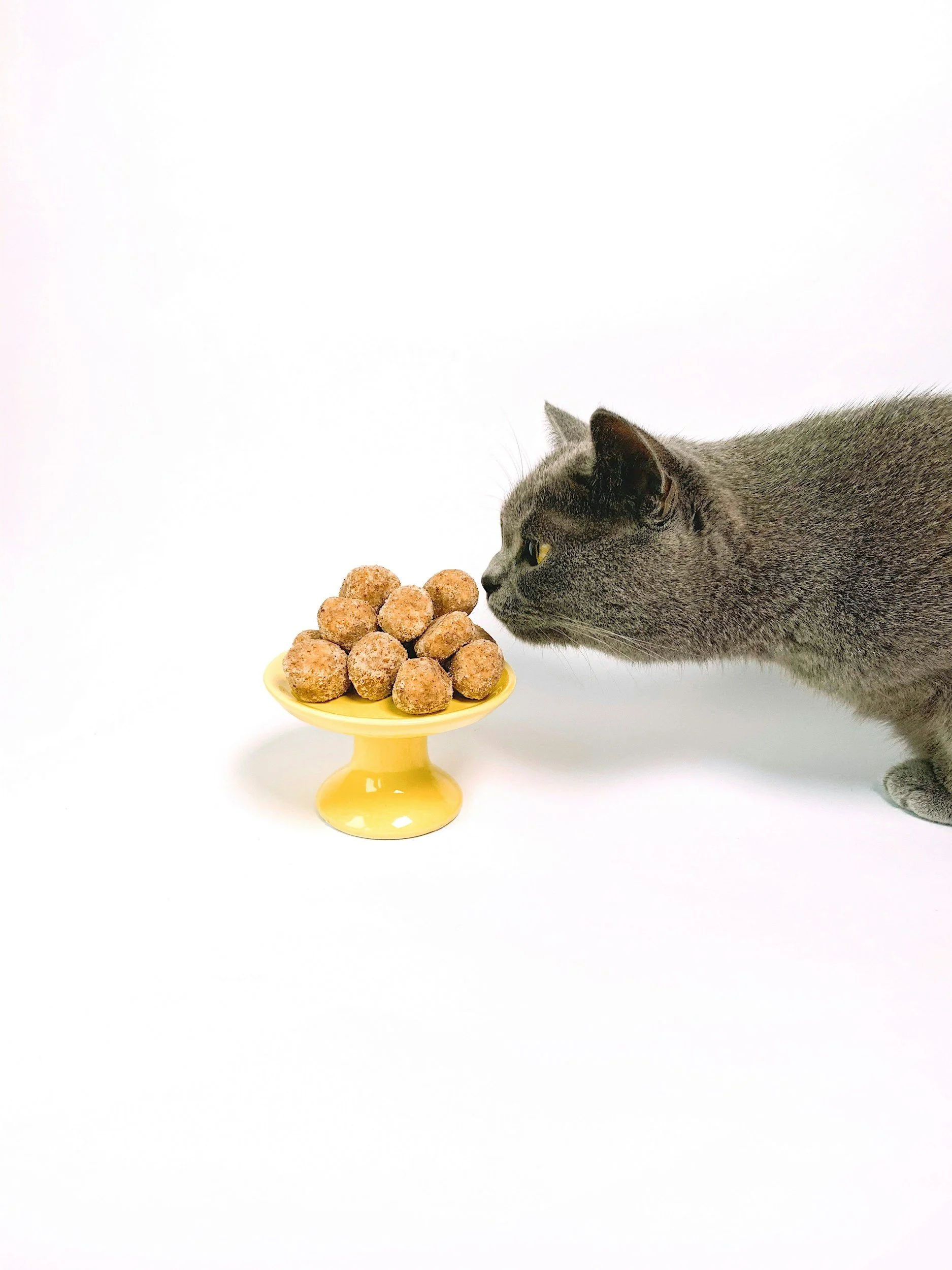
How Pet Nutrition Impacts Health and Behavior
Just like humans, animals can develop sensitivities to certain foods or ingredients that disrupt digestion and nutrient absorption. When their digestive system becomes irritated or inflamed, it can trigger a chain reaction that influences your pet’s comfort, mood, and vitality.
Common signs of nutritional imbalance include:
Chronic itching or skin irritation
Ear infections or excessive head shaking
Gas, bloating, or irregular bowel movements
Runny stools
Vomiting or lack of appetite
Halitosis (bad breath)
Behavioral shifts such as irritability, anxiety, or lethargy
These symptoms can stem from many causes, so it’s always important to rule out medical issues first. But when your pet’s physical health is addressed and symptoms persist, nutrition may hold additional insight.
In my practice, animals often show me that when their digestion is out of balance, they feel discomfort, unease, or even emotional heaviness. Once supportive foods are introduced, they frequently describe sensations of relief, ease, and renewed vitality—what I often perceive as a sense of “lightness” returning to their energy.
The good news is that animals tend to be deeply aware of how food affects their bodies and emotions. They’re usually eager to collaborate with us to identify which foods are nourishing and which may be triggering.
When we listen and respond with care, our animals guide us toward choices that truly support their wellbeing. Through animal communication, we can make thoughtful, informed decisions together—building a more balanced, comfortable life for them.
You’re Doing the Best You Can
If your animal is experiencing digestive or nutritional challenges, please know this isn’t a reflection on you as a pet parent. Every animal is unique, with their own biological makeup, so their sensitivities, needs, and rhythms can differ. Furthermore, as our animals age, their nutritional needs tend to evolve over time.
It’s also important to acknowledge that providing an ideal diet can be genuinely challenging. Many pet parents want to prepare home-cooked or specialty meals, but the cost of ingredients, limited availability, and time constraints can make this particularly difficult to achieve consistently.
The reassuring news is that even small shifts—like finding balance through variety, adjusting portions, reducing certain ingredients, or incorporating simple, nourishing foods—can make a meaningful difference in your animal’s health and overall well-being. What matters most is the care, attention, and intention you bring to supporting them.

Using Animal Communication to Support Pet Nutrition
Animal communication is a telepathic process that allows us to dialogue with an animal in order to directly learn from them how they are thinking and feeling. Through it, we can listen to what our furry, feathered, or scaled friends want to share about their wellness and nutrition.
This can occur by simply asking your animal questions and observing their responses, just as you would when communicating with another person. The main difference is that animals respond telepathically rather than verbally.
Animals are the most aware of their own needs, and can reveal how their body responds to certain foods. Animal communication can help refine your pet’s nutrition by taking their direct input into account. By listening to your pet’s wisdom, you can make choices together that support their unique physiology, energy, and overall wellbeing.
There’s an old adage: “Healing comes from within.” Nowhere is this more true than in nutrition. What we feed our pets supports their wellbeing, and it’s their own inner wisdom that guides what their bodies truly need to heal and thrive. By opening our hearts and communicating with them, we join our animals in a shared internal process that ripples outward, creating profound external healing.
If you’re new to the concept of animal communication, you can learn more in my other posts:
“What Is Animal Communication? How Telepathic Communication with Your Pet Can Strengthen Your Bond”
“From People to Pets: How Your Human Listening Skills Translate to the Animal World”
As a friendly reminder, the information shared through communication should always be integrated with veterinary or nutritional guidance to ensure safety and balance.

1–5 Scale Exercise for Understanding Your Pet’s Nutritional Needs
This method was recently shared with me by animals in my practice who have been helping their guardians provide better nutritional support for them. It’s a simple yet effective way to understand how different foods or ingredients impact your pet’s body.
Prepare Your Notebook
Use a notebook for note-taking.
Draw a horizontal line across the top of the page.
Add five evenly-spaced vertical ticks intersecting the line. Label them 1–5.
Below each tick, write the following labels:
1. Feels great in my body
2. Feels mostly gentle and easy on my system
3. Feels moderately digestible or neutral
4. Feels heavier or harder for my body to process
5. My body struggles to digest this food or feels discomfort
Below your scale, make a list of the foods or ingredients you want to ask your pet about. Leave space after each ingredient for noting the scaling number and any impressions, images, or feelings your pet communicates.
Pro tip: Use your pet food’s ingredient list to inform your questions. Even though ingredients are combined in kibble, this can help you identify foods with a better balance to support your pet’s wellbeing.
Use Animal Communication with the Scale
For each food or ingredient on your list, ask your animal:
“On a scale from 1 to 5—where 1 feels great in your body and 5 is hard to digest—how does [food or ingredient] feel in your body?”
Receive the response: Observe what comes through telepathically. Most pets will respond with a number, but you may also receive a feeling, thought, or image.
Record the response without judgment.
Repeat the exercise for each ingredient on your list.
Follow Up Thoughtfully
After your pet shares their initial response on the scale, ask clarifying questions to gain a deeper understanding of why a food feels supportive or triggering. Examples include:
“What is it about salmon that feels like a 4?”
“How does eating this food impact your body or energy?”
These follow-ups can reveal nuances that a simple number alone doesn’t capture. For instance, a food ingredient might be generally supportive in small amounts, but eating too much could feel heavy or difficult to digest. Or an ingredient might be fine physically but create subtle energetic discomfort, affecting mood, focus, or overall vitality.
By asking thoughtful, open-ended questions, you invite your pet to provide richer, more detailed feedback. This helps you understand patterns and make informed adjustments that honor both their physical needs and energetic wellbeing. Remember: patience, curiosity, and nonjudgmental listening are key. Sometimes insights emerge gradually over several sessions.
Implementing What You’ve Learned
Once you’ve completed the 1–5 scale exercise, take time to reflect on what your pet shared with you. Their insights can help guide meaningful, informed choices about their nutrition.
Using the scale as a guide:
Ingredients rated closer to 5 are more difficult for your pet to digest and may be best minimized or removed.
Ingredients rated closer to 1 are supportive and can be emphasized in their diet.
You might discover that your pet’s current food already feels like a great fit — if so, wonderful! That affirmation can offer reassurance and peace of mind. Or, your conversation might reveal that some adjustments could better support their health. For example, if chicken comes through as difficult to digest, you might explore foods that use tuna or another protein source instead.
If you decide to make changes, remember to consult your veterinarian before adjusting your pet’s diet. The insights you’ve received from your animal can actually help you have a more informed conversation with your vet as you bridge your intuitive understanding with professional guidance.
An important note: when introducing new foods, it’s usually best to make gradual transitions to avoid upsetting your pet’s stomach. You can do this by slowly mixing increasing portions of the new food with their current one over several days or weeks, allowing their system to adjust comfortably.
Ultimately, this process is about collaboration and care that uses both intuition and science to support your pet’s wellbeing from the inside out.
Helpful Tips:
Use scaling to target specific health concerns
You can also use the same scaling technique to assess what foods are most or least supportive of overall health—or target a specific concern. For example:
“On a scale of 1–5, where 1 is not at all and 5 is extremely helpful, how helpful is fish oil for slowing eye cataract growth?”
Use scaling to assess potential food triggers
You can use this technique to identify which foods may be contributing to inflammation or discomfort, especially when your pet shows reactions and you want to pinpoint the specific ingredients responsible. For example:
“On a scale of 1–5, where 1 is not triggering at all and 5 is extremely triggering, how does sardines feel in your body in terms of causing inflammation, gut irritation, or an allergic response?”
Distinguish between preference versus reaction
An animal’s likes or dislikes are separate from whether an ingredient supports or triggers their system. For example: Your pet may enjoy mango (preference 3/5) but react allergically (trigger 5/5). If needed, clarify by asking both ways: “I’m hearing you rate your preference for this food as a 3/5. But this ingredient also triggers your system at a 4/5—is that correct?”
Use scaling before feeding your pet new foods.
Most animals can provide feedback with regards to foods they haven’t even tried yet, as they are able to sense the energy of the food. In fact, it’s generally advisable to check with your pet before changing their diet or feeding them new foods.
Use the scaling exercise to explore your pet’s insight on the foods you eat.
You can also use this same 1–5 scaling exercise to explore what your pet thinks about the foods you, as their guardian, are eating. Animals are often very aware not only of what nourishes them, but also of what is healthy and supportive for the humans in their lives. Many companion animals want us to pay attention to our own nutrition just as we pay attention to theirs. By checking in with them about your meals or ingredients, you can gain insight into how certain foods may impact your energy, wellbeing, or balance and deepen the reciprocal nature of your relationship.
Approach the exercise with openness, curiosity, and compassion.
If an answer surprises you, or doesn’t align with what you expected, resist the urge to correct or reinterpret it. Instead, stay curious:
What might my animal’s body be telling me through this message?
What does this reveal about their current energy, emotions, or environment?
Remember, this process is a form of co-creation that’s not just about nutrition, but also strengthens trust and honors your relationship.
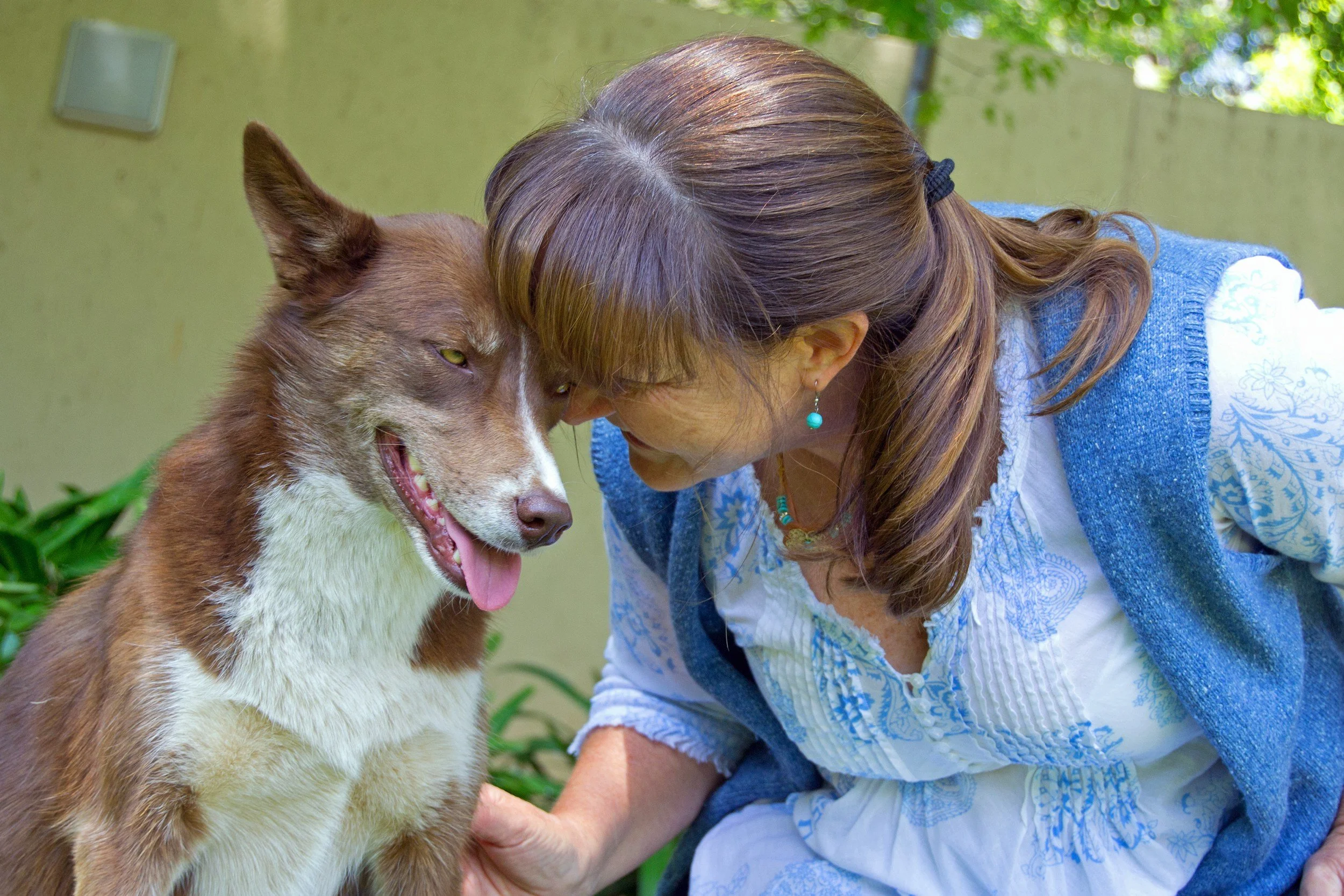
Listening, Nourishing, and Growing Together
One of the most meaningful responsibilities we take on as pet parents is selecting and preparing the foods that nourish our animal companions. The right nutrition can strengthen their health, happiness, and overall vitality. While we humans are the ones who buy and serve the food, our animals are ultimately the experts on what truly nourishes them.
As they enrich our lives with love, comfort, and companionship, we have the opportunity to support their wellbeing in return. Through animal communication, we can listen directly to their inner wisdom. When we do, we’re doing more than simply gathering information about diet: we’re also strengthening the bond we share with our companion animal. Approaching their nutrition with openness and care enhances not only their physical health, but also the profound heart connection that exists between us.
If you’d like personalized guidance in understanding what your animal is communicating about their diet or wellbeing, I invite you to schedule an animal communication session. Together, we can help your companion feel their best — body, mind, and spirit.

Key Take-Aways
Pets are unique. Each animal has individual sensitivities, needs, and rhythms that may change over time.
Food impacts more than digestion. Nutritional imbalances can affect mood, energy, and overall wellbeing.
Animal communication is a powerful tool. Listening to your pet’s cues helps identify supportive and triggering foods.
Use the 1–5 scale exercise. It helps you evaluate your pet’s current diet and assess potential new ingredients with their guidance.
Small adjustments matter. Gradual, mindful changes can significantly improve comfort and vitality.
Collaboration is key. Combine your pet’s guidance with veterinary or nutritional advice for a safe, balanced approach.